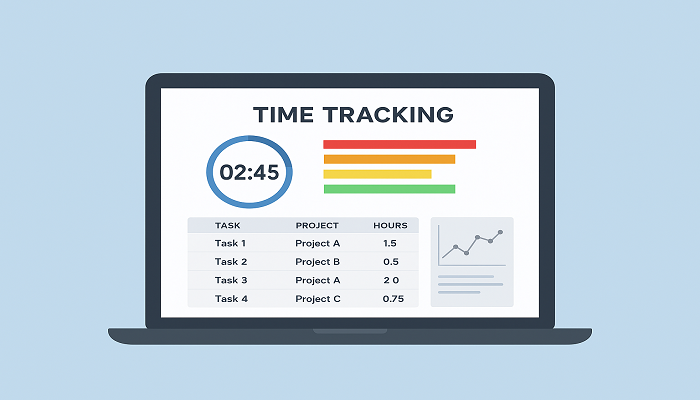
If you’ve ever ended a workweek wondering, “Where did all my time go?”, you’re not alone. Modern work is packed with meetings, emails, digital distractions, and shifting priorities. Without visibility into how our hours are truly spent, it’s nearly impossible to optimize productivity or create realistic schedules. This is why time audits—systematic reviews of where your time goes—are invaluable. Even better, today’s time tracking software makes performing these audits effortless, accurate, and incredibly insightful.
What Exactly Is a Time Audit?
A time audit is a process of recording how you allocate your working hours, then analyzing the data to identify patterns, inefficiencies, and opportunities for improvement. It’s not about micromanaging every minute—it’s about understanding how your time contributes to your goals. With clear data, you can reduce wasted time, refine workflows, and reclaim hours for more impactful tasks.
Why Time Audits Matter
1. Reveals Hidden Time Wasters
Often, time drains don’t look like emergencies; they’re small interruptions that add up. Checking emails “just for a minute,” jumping into unscheduled chats, or multitasking on half-baked tasks can quietly consume hours. A time audit brings these culprits into the light, giving you the chance to intentionally limit or eliminate them.
2. Clarifies Priorities
When you review your time, you may discover (sometimes shockingly) that very little of your day is spent on high-value tasks. Since time is the ultimate finite resource, a proper audit can help you align your schedule with your priorities, not just your inbox.
3. Improves Capacity Planning
Time audits help you answer questions like: How long does this really take? or Do I have time to take on something new? Teams that perform time audits can plan realistically, preventing burnout and improving project forecasting.
4. Supports Accountability and Transparency
For workplaces or teams, audits provide objective data. It becomes easier to discuss workloads, identify bottlenecks, and distribute responsibilities more fairly.
How Time Tracking Software Makes Time Audits Effortless
Many people shy away from time audits because they think they require manual logs or tedious spreadsheets. Fortunately, modern time tracking tools eliminate the hassle.
Automated Data Capture
Time tracking software records time entries with minimal effort. Instead of estimating hours at the end of the week, you get precise, real-time data.
Task and Project Categorization
Sophisticated tools let you label activities such as research, meetings, client work, or admin tasks. When you review data, the breakdown is already organized and meaningful.
Visual Reporting
Charts and dashboards make insights jump off the page. You can instantly see where your time was allocated, helping you make informed decisions.
Integration with Workflows
Time trackers connect with project management platforms, calendars, billing tools, and even communication apps. This creates a seamless picture of how your work unfolds day-to-day.
Final Thought
Performing a time audit is one of the smartest investments you can make in your productivity. Combined with intuitive time tracking software, it becomes simple, accurate, and transformative. By understanding where your time goes, you gain the power to direct it where it matters most—toward meaningful work, reduced stress, and better results.