Owning a car comes with responsibilities, and one of the most important is making sure your vehicle is safe and roadworthy. This is where a car inspection plays a major role. Many states and countries require it by law, while in other places it is done voluntarily before selling, buying, or keeping a vehicle in good condition.
But what exactly happens during a car inspection? What do mechanics look for? If you’re new to this process, you might feel unsure about it. Don’t worry — in this blog, we’ll break down everything in clear, simple language so you know what items are checked during a car inspection.
Why Car Inspections Are Important
A car inspection is not just about passing a test or meeting legal rules. It is about protecting your safety, the safety of others on the road, and avoiding costly breakdowns in the future.
Benefits of Regular Car Inspections
- Safety assurance – Faulty brakes, worn-out tires, or broken lights can cause serious accidents.
- Longer vehicle life – Regular inspections help you find problems early before they turn into expensive repairs.
- Legal compliance – In some areas, inspections are mandatory by law.
- Resale value – If you plan to sell your car, a recent inspection shows buyers your car is trustworthy.
Note: At CheckAnyCar, we make the process smooth, reliable, and stress-free. Our expert team checks every detail — from tires to engine health — so you can drive with confidence. Whether you’re buying, selling, or just making sure your car is safe, we’re here to help. Book your car inspection Dubai with CheckAnyCar today and get peace of mind on the road!
What Items Are Usually Checked?
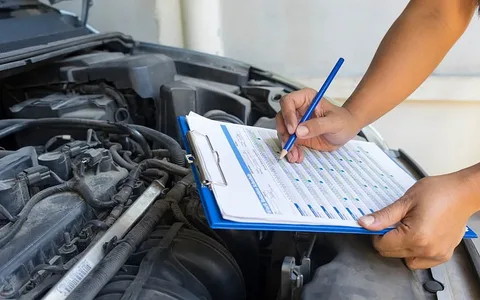
During an inspection, mechanics go through a checklist. Some inspections focus on safety only, while others include emissions testing to measure pollution levels. Below, we’ll cover the main items that inspectors normally check.
1. Car Exterior Condition
Lights and Signals
One of the first things inspectors check is the lighting system. This includes:
- Headlights (low beam and high beam)
- Tail lights
- Brake lights
- Turn signals
- Hazard (emergency) lights
- Reverse lights
Working lights are vital because they help you see at night and make sure other drivers can see your movements.
Mirrors and Windows
- Side mirrors and rearview mirrors must be properly fixed and not cracked.
- Windshield should not have major cracks that block the driver’s vision.
- Windows must roll up and down smoothly.
Windshield Wipers
Inspectors check if wipers clean the windshield properly. They also make sure there is enough wiper fluid, since visibility during rain is crucial.
2. Tires and Wheels
Tires connect your car to the road, so they are extremely important.
Tire Tread Depth
- Tires need a certain level of tread (grooves in the rubber).
- Bald tires can cause slips, especially in rain or snow.
Tire Pressure
- Proper inflation ensures safe handling and better fuel efficiency.
- Overinflated or underinflated tires increase the risk of blowouts.
Wheel Alignment & Condition
- Wheels must be free from bends or cracks.
- Inspectors may check if wheels are aligned properly to prevent uneven tire wear.
3. Braking System
Your brakes are the most critical safety feature in your car.
Brake Pads and Discs
Mechanics check if brake pads have enough thickness left and if the discs are in good shape.
Brake Lines and Fluid
- Brake fluid needs to be at the right level and free from leaks.
- Lines and hoses should not be cracked or corroded.
Parking Brake
The handbrake or electronic parking brake must hold the car steady on hills.
4. Steering and Suspension
Steering Wheel Function
The steering system must respond quickly and not feel loose. A delay in steering response is unsafe.
Suspension System
The suspension keeps the car stable and absorbs shocks from bumps. Inspectors will check:
- Shock absorbers
- Ball joints
- Tie rods
- Springs
These parts should not be leaking or excessively worn out.
5. Safety Features Inside the Car
Seat Belts
- All seat belts must work properly, without frays or cuts.
- Buckles should snap securely.
Airbags (Basic Check)
While inspectors don’t open the airbags, they check the dashboard warning light. If the airbag light stays on, it could mean a malfunction.
Horn
The horn must be loud enough so you can warn other drivers if needed.
6. Engine and Emissions
Some inspections focus on safety only, but in many states, emissions testing is also required.
Engine Condition
- The check involves looking for oil or coolant leaks.
- Inspectors may listen for strange noises or rough running.
Exhaust System and Emissions
- The exhaust system should not have leaks or loud broken pipes.
- Emissions test checks if the engine is giving out too many harmful gases such as carbon monoxide.
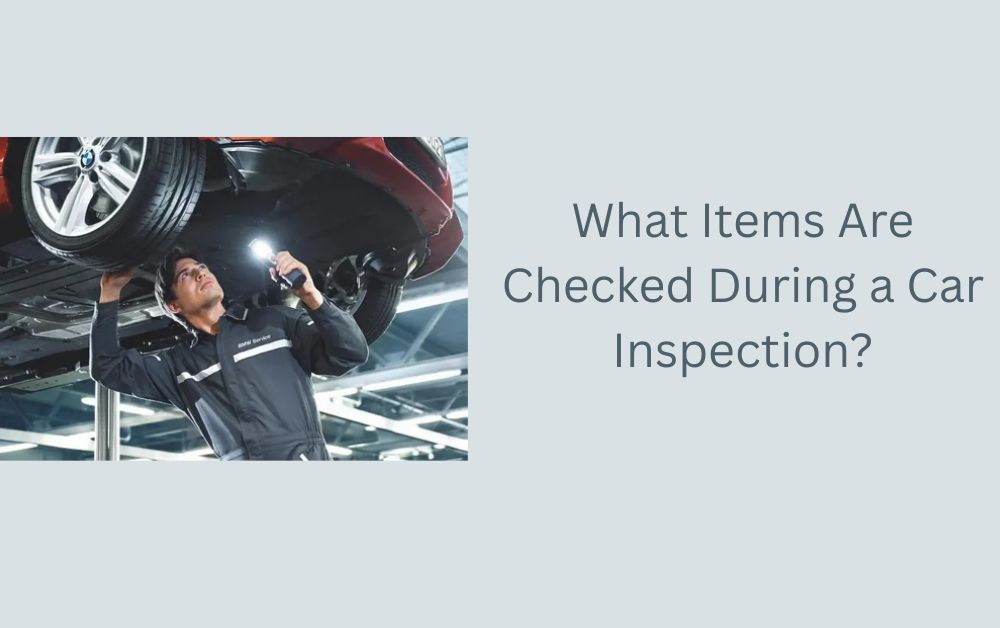
7. Undercarriage Inspection
Inspectors also look underneath the car.
Frame and Body Condition
- No major rust, cracks, or damage should be present on the frame.
- Fuel tank should be secure with no leaks.
Fluid Leaks
Any leak of oil, coolant, transmission fluid, or brake fluid is a red flag.
8. Additional Checks
Battery and Electricals
- The car’s battery must be secure and free of corrosion.
- All fuses and connections should be in proper working condition.
Exhaust Noise Levels
Some areas also regulate how loud your exhaust can be. Cars with extremely modified loud mufflers might fail inspection.
Registration and VIN Check
- Inspectors confirm the Vehicle Identification Number (VIN) matches the car’s paperwork.
- Registration and insurance documents may also be checked.
What Happens If You Fail a Car Inspection?
Failing an inspection is not the end of the world. Usually, you’ll get a report listing what needs fixing. You’ll then be given time to repair those issues and return for a retest.
Common reasons for failure include:
- Worn-out tires
- Faulty brakes
- Broken lights
- Exhaust leaks
- Emission test failure
Tips to Prepare Your Car for Inspection
Instead of waiting for the inspector to find issues, you can do some quick checks at home.
DIY Pre-Inspection Checklist
- Test all your lights and replace burnt-out bulbs.
- Check tire pressure and tread.
- Top up fluids: washer fluid, coolant, engine oil, and brake fluid.
- Make sure your horn, wipers, and seat belts are working.
- Look under the car for leaks.
Spending a little time checking before the official test can save you money and stress.
Conclusion
A car inspection may sound like a stressful process, but it’s really there to help protect you and everyone else on the road. Knowing what items are checked during a car inspection can give you confidence and peace of mind.
To sum it up:
- Inspectors look at lights, mirrors, tires, brakes, steering, suspension, safety features, engine, and emissions.
- They also check the undercarriage, electrical system, and documents.
- If anything fails, you’ll be asked to fix it and return for a retest.
By understanding the checklist, you’ll be better prepared and more likely to pass without problems. And even if inspections are not legally required where you live, doing them regularly ensures safety, saves money in the long run, and helps your car last longer.
For more insightful articles related to this topic, feel free to visit typenox.online