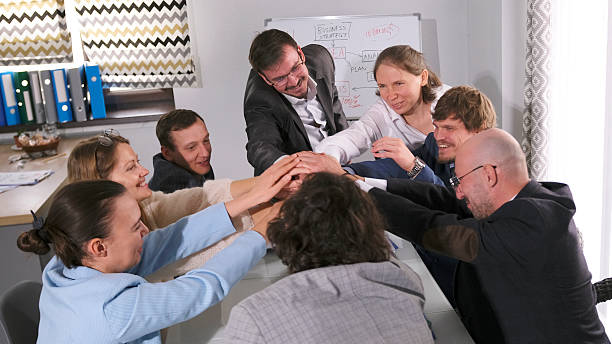
The Five Finger Game is a simple yet engaging icebreaker that helps participants learn about one another through personal experiences, preferences, and stories. It uses the five fingers of the hand as prompts, with each finger representing a theme or question. The structure is easy to remember, which makes it a flexible choice for workshops, classrooms, corporate sessions, and virtual team building activities. Because it encourages quick reflection and storytelling, it creates a warm and inclusive atmosphere where people feel comfortable opening up.
How the Five Finger Game Works
The facilitator assigns a unique prompt to each finger. Participants then respond according to the finger being discussed. For example, the thumb might represent “something you enjoy,” while the index finger might symbolize “a goal you are working toward.” The ring finger could represent “something meaningful to you,” and the pinky might indicate “a small wish you have for the week.” The palm can even be included as a bonus category for “something you want to let go of.” These categories may vary depending on the group, but the structure remains consistent. This makes the Five Finger Game adaptable to different themes, such as creativity, wellness, or collaboration.
Why This Icebreaker Builds Connection Quickly
The strength of the Five Finger Game lies in its balance between simplicity and emotional depth. Participants do not need preparation, yet their responses often reveal thoughtful insights about who they are. Unlike generic icebreakers that lead to rehearsed answers, this activity helps people speak authentically because each finger prompt subtly guides the conversation. As individuals share stories or small details from their lives, the group begins to build empathy and familiarity. The exercise feels structured but gentle, creating a space where people can express themselves without pressure.
Why It Works Well for Creative Activities
Creative workshops often benefit from interactive warmups, and the Five Finger Game fits naturally into environments where imagination is encouraged. When teams participate in hands-on activities, such as acrylic pour painting sessions, they enter a space of exploration and experimentation. Before diving into artistic tasks, the Five Finger Game opens participants emotionally and mentally. Sharing small personal reflections helps them feel more connected, making it easier to collaborate or discuss ideas. This warmup can be enhanced by adjusting the prompts to match the theme of creativity—such as assigning one finger to “a color you’re drawn to today” or “a texture that inspires you.”
Using the Five Finger Icebreaker in Virtual Sessions
Remote settings often limit natural interaction. The Five Finger Game helps create the sense of closeness that can sometimes be missing on screens. Participants can simply raise their hand to show which finger they are answering, making the activity visually engaging. In virtual team building activities, this structure brings energy and focus to the group. It encourages everyone to participate equally, prevents long pauses, and boosts comfort levels. Whether used as an opening to a meeting or as a transition between activities, it helps maintain attention and keep participants emotionally present.
Prompts That Work Well for Team Building
The flexibility of the Five Finger Game allows facilitators to tailor prompts to the session’s objectives. For teamwork-focused sessions, prompts can include themes like collaboration, strengths, appreciation, or inspiration. Examples include: “Thumb: something you’re proud of,” “Index finger: a skill you want to develop,” “Middle finger: something you want to improve in team communication,” “Ring finger: a value you care about,” and “Pinky: one small intention for today.” These questions help individuals reflect on their roles within the team and spark meaningful dialogue.
Blending the Icebreaker With Art-Based Experiences
When incorporated into painting or craft workshops, the Five Finger Game helps shift participants into a creative mindset. The transition from personal reflection to hands-on expression feels natural because both activities focus on discovery. In sessions centered on acrylic pouring, individuals often experiment with fluid motion, color blending, and pattern creation. After sharing through the Five Finger Game, participants feel more relaxed and open to trying new techniques. This combination deepens both the artistic experience and the social connection within the group.
Conclusion
The Five Finger Game icebreaker is an adaptable, meaningful, and accessible tool for building connection among participants. Its structure encourages thoughtful sharing without overwhelming anyone. Whether used in person or as part of virtual team building activities, it brings warmth, focus, and authenticity to group interactions. When paired with creative experiences like acrylic pour painting, it enhances engagement and supports a collaborative environment. The simplicity of using five fingers as prompts allows the activity to remain memorable while creating space for genuine conversation and connection.