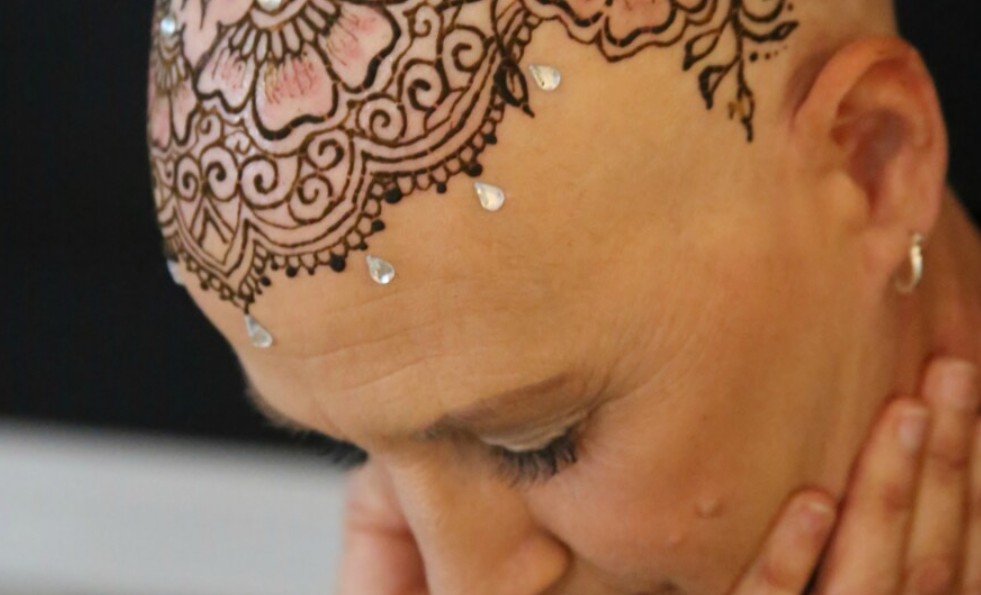
A henna crown is more than just a design on the head. It is a beautiful and meaningful form of body art created for individuals who are experiencing hair loss, especially cancer patients undergoing chemotherapy. Henna crowns are delicate patterns drawn directly on the scalp to help people feel confident, strong, and beautiful during a challenging time. Unlike regular henna designs applied on the hands and feet, henna crowns follow the natural shape of the head, creating a look similar to a crown or a stunning piece of jewellery. They are not just artistic—they help people heal emotionally. Many artists who create henna crowns gain their skills through structured learning, such as a Henna Course Online, which teaches safe application methods and sensitive client care.
Why Henna Crowns Matter Emotionally
Hair loss can be one of the most difficult experiences during cancer treatment. It often affects a patient’s confidence and emotional well-being. A henna crown helps rebuild that confidence by turning the scalp into a canvas of beauty. The moment the design is applied, many patients feel empowered instead of defeated. They no longer focus on the loss; they focus on the art and strength within themselves. The henna crown becomes a symbol of courage. Instead of hiding under wigs or scarves, many choose to celebrate their beauty boldly. This emotional transformation is one of the strongest reasons why henna crowns have become popular. For artists who want to support clients effectively, taking a Henna Course is helpful to learn both artistic skills and the sensitivity needed when working with cancer survivors.
The Purpose Behind Henna Crowns
The main purpose of henna crowns is to provide healing, comfort, and self-expression. Henna crowns help patients feel beautiful again, especially when they feel they have lost a part of themselves. Unlike tattoos or makeup, henna is natural and temporary. It fades slowly and doesn’t harm the skin. Many people enjoy the soothing experience while the artist applies the design. It feels calming, like a gentle massage. Socially, henna crowns can help start positive conversations. When others notice the design, they often praise it, which boosts the patient’s confidence. Henna crowns also help people redefine beauty in their own unique way. They show that even during illness, creativity and strength can shine. Someone who wants to offer this service professionally can learn everything from safe ingredients to calming client communication through a reliable Henna Course Online.
How Henna Crowns Are Applied
Creating a henna crown requires careful attention, patience, and skill. First, the artist prepares high-quality natural henna paste. Chemical-free henna is extremely important because cancer patients often have sensitive skin. The artist then discusses design ideas with the client—some prefer floral patterns, while others choose mandalas or geometric designs. Next, the scalp is cleaned gently to remove oils or lotions. The artist begins with a main center pattern and slowly expands it across the scalp. Since the scalp curves, the artist must balance lines and shapes smoothly. This is different from drawing on flat skin surfaces like hands. The process usually takes one to two hours, depending on the complexity of the pattern. After application, the paste dries and darkens over time. A structured Henna Course helps new artists learn these techniques step-by-step so they can create clean, safe, and beautiful henna crowns.
Choosing the Right Designs for Henna Crowns
Design selection is one of the most important parts of creating a henna crown. Many cancer patients prefer soft and gentle designs that look calming and elegant. Mandala patterns symbolize balance and inner peace, making them a popular choice. Floral designs represent beauty, growth, and new beginnings. Vines and leaves give a natural and flowing look that complements the round shape of the head. Some clients choose personalized elements, such as initials, inspirational words, or meaningful symbols that help them stay motivated during treatment. The design should reflect the personality and comfort level of the client. It is also important for the artist to understand how certain motifs stretch or curve on the scalp. Skills like pattern planning and layout design can be learned through a professional Henna Course Online, which guides learners in using shapes that look balanced on curved areas.
Safety and Skin Sensitivity Concerns
Cancer patients may have sensitive or irritated skin due to chemotherapy or medical treatments. This means safety must be the artist’s top priority when applying henna crowns. Only natural henna should be used—never black henna or products with chemicals. Natural henna is gentle and rarely causes irritation. Before starting, artists often test a small patch on the skin to ensure there is no reaction. The scalp should be clean and free from infections, wounds, or dryness. The artist must also work in a clean environment and use tools that are sanitary. Understanding medical sensitivity is essential to avoid complications. Many professional henna artists receive training on ingredient safety, patch testing, and gentle application techniques through a high-quality Henna Course, where they learn how to work confidently with clients who have health conditions.
The Healing Experience Behind Henna Crowns
Henna crown sessions are often described as peaceful and comforting. For many cancer patients, the experience feels like therapy. Sitting calmly while someone creates art on their scalp helps them forget the stress of treatments, even if only for a moment. The natural cooling effect of henna also provides relaxation. Some clients choose to listen to music during the session, while others enjoy the quiet atmosphere. The process becomes a chance to connect emotionally, reflect, and find inner strength. Family members often join the session to support their loved one, turning it into a meaningful memory. This healing experience is one of the biggest reasons why henna crowns are becoming more popular around the world. Artists who want to provide such compassionate services can benefit from proper education through a Henna Course Online, which helps them work confidently and respectfully with clients.
Why More Artists Should Learn Henna Crown Techniques
Henna crowns are a growing form of supportive care for cancer patients. More artists are needed to bring this beautiful service to hospitals, wellness centers, and communities. Learning henna crown techniques not only expands an artist’s skill set but also allows them to make a positive impact. Many people who lose hair feel isolated. A henna crown helps them feel seen, valued, and celebrated. Professional training teaches artists how to design for the scalp, choose safe ingredients, communicate with sensitivity, and create meaningful experiences. For anyone interested in becoming a skilled and compassionate henna artist, joining a Henna Course is a strong first step toward mastering henna crowns.
Final Thoughts
A henna crown is more than artwork—it is hope, strength, and beauty wrapped into one meaningful design. For cancer patients, it provides emotional support during one of the hardest moments of their lives. With careful patterns, natural ingredients, and gentle application, henna crowns help transform hair loss into an expression of courage. As more artists learn this technique, more people can experience the healing power of henna. Anyone who wants to understand this art deeply and apply it professionally can start with a Henna Course Online, which teaches everything from design basics to safe and sensitive client care.