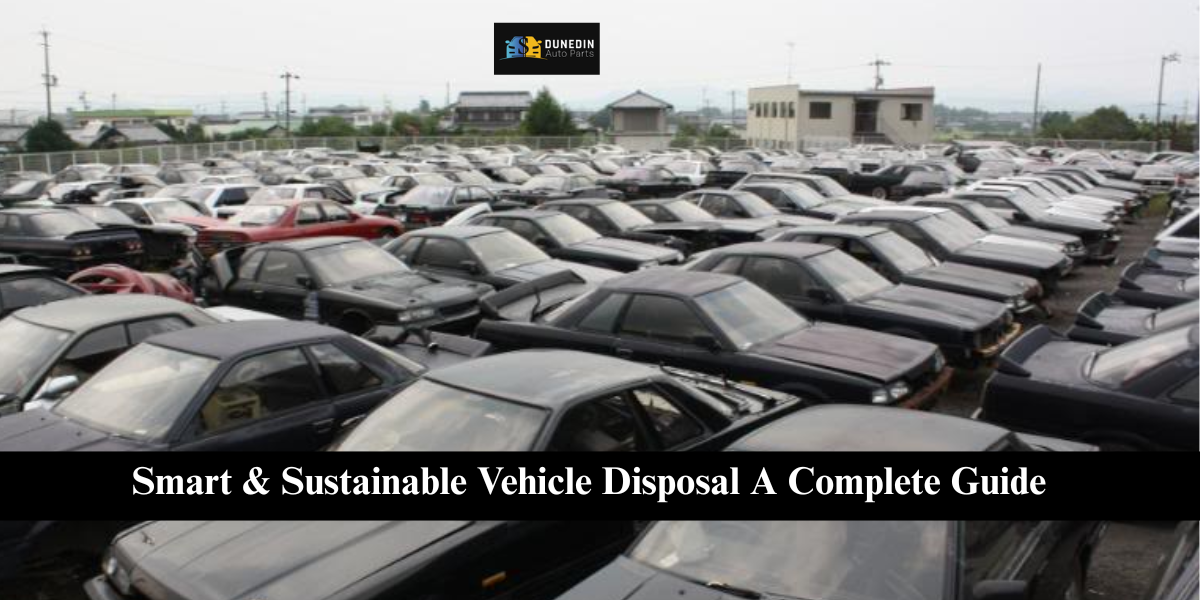
Your old car shouldn’t end up harming the planet. When vehicle disposal is done right, it transforms scrap into opportunity—recovering cash, saving resources, and protecting the environment. This guide walks you through making informed decisions about getting rid of your unwanted vehicle responsibly while maximizing its value.
What Is Vehicle Disposal and Why Does It Matter?
Vehicle disposal is the process of removing and recycling end-of-life cars through professional dismantling, parts recovery, and environmentally compliant scrapping.
Proper disposal prevents toxic fluids like oil, coolant, and brake fluid from seeping into soil and waterways. Cars contain hazardous materials that require specialized handling. When done professionally, the process recovers valuable metals and components while eliminating environmental risks.
Around 12-15 million vehicles reach their end-of-life annually in the United States alone. Each vehicle contains recyclable steel, aluminum, copper, and rubber that can be recovered and reused, reducing the need for new raw materials.
When Should You Consider Disposing of Your Vehicle?
You should dispose of your vehicle when repair costs exceed its value, it fails safety inspections repeatedly, or it sits unused for extended periods.
Signs include:
- Mechanical failures requiring extensive engine or transmission work
- Accident damage making the vehicle unsafe or uneconomical to repair
- Failed emissions or safety certifications with costly fixes needed
- Rust or structural damage compromising the vehicle’s integrity
Keeping a non-functional vehicle wastes space and depreciates further. Acting promptly ensures you receive better cash offers before the condition worsens.
How Does the Vehicle Recycling Process Work?
Professional auto dismantlers first drain all fluids—engine oil, transmission fluid, coolant, and fuel—preventing contamination. They then remove valuable parts like batteries, catalytic converters, and working components.
The process follows these steps:
- Initial Assessment: Evaluating the vehicle’s condition and recoverable parts
- Fluid Removal: Safe extraction and disposal of all liquids
- Parts Recovery: Removing functional components, electronics, and high-value items
- Material Separation: Categorizing metals, plastics, and other materials
- Crushing and Shredding: Processing the remaining shell for scrap metal recovery
Steel recyclers can recover over 14 million tons of steel annually from end-of-life vehicles. This saves enough energy to power approximately 18 million households for one year.
What Makes a Vehicle Disposal Service Sustainable?
Sustainable disposal services follow environmental regulations, maximize material recovery, and properly handle hazardous waste without cutting corners.
Look for these indicators:
- Certified dismantling facilities with proper licensing
- Transparent processes for fluid disposal and parts recycling
- Documentation proving compliance with environmental standards
- Partnerships with legitimate scrap metal processors
- Clear tracking of where materials end up
Recycling metal uses 74% less energy than producing new metal from raw materials. Choosing certified operators ensures your vehicle contributes to this conservation rather than ending up improperly handled.
How Much Cash Can You Get for Your Old Vehicle?
Cash offers range from $200 to $12,000 depending on the vehicle’s make, model, age, condition, and current scrap metal prices.
Factors affecting your payout:
- Vehicle weight: Heavier vehicles contain more recyclable metal
- Working parts: Functional engines, transmissions, or electronics increase value
- Market demand: Popular models with parts in demand fetch higher prices
- Metal prices: Fluctuating scrap values impact final offers
Trucks, vans, and SUVs typically command higher prices than compact cars due to their weight. Complete vehicles receive better offers than those missing major components.
What Documents Do You Need for Vehicle Disposal?
You need your vehicle title proving ownership, valid identification, and registration documents to legally dispose of a vehicle.
Required paperwork includes:
- Original title or proof of ownership
- Government-issued photo ID matching the title name
- Current or expired registration
- Removal authorization if the vehicle is on someone else’s property
Missing a title complicates disposal but isn’t always a barrier. Many services can guide you through obtaining duplicate titles or alternative ownership verification depending on your location’s regulations.
Are There Environmental Benefits Beyond Recycling?
Yes—proper disposal prevents soil and water contamination, reduces mining for new materials, and decreases manufacturing emissions significantly.
Environmental advantages include:
- Preventing 11 million tons of steel from entering landfills annually
- Eliminating toxic fluid contamination that damages ecosystems
- Recovering rare earth metals from electronics and catalytic converters
- Reducing carbon emissions by avoiding new metal production
- Supporting circular economy principles through material reuse
Recycling end-of-life vehicles saves an estimated 85 million barrels of oil each year that would otherwise be consumed manufacturing new parts from raw materials.
How Do Electric and Hybrid Vehicles Get Recycled?
Electric and hybrid vehicles require specialized handling for their lithium-ion battery packs, which contain valuable but hazardous materials needing expert processing.
The recycling process differs:
- Battery packs are carefully disconnected and stored separately
- High-voltage systems require trained technicians for safe removal
- Lithium, nickel, cobalt, and manganese are recovered from batteries
- Battery packs may be refurbished for secondary energy storage uses
- Remaining vehicle components follow standard recycling procedures
Reusing 1,000 EV battery packs recovers energy equivalent to avoiding production of 11 new battery packs. Proper recycling ensures these valuable materials support future battery manufacturing rather than becoming waste.
What Happens to Your Vehicle’s Parts After Disposal?
Functional parts get tested and resold as affordable used components, while materials like steel and aluminum are melted down and remanufactured into new products.
The journey of your vehicle’s parts:
- Working Components: Sold to repair shops and individual buyers
- Metals: Processed into new automotive, construction, and manufacturing materials
- Rubber: Converted into rubberized asphalt, playground surfaces, or mulch
- Plastics: Sorted and recycled into various plastic products
- Electronics: Dismantled for precious metal and component recovery
Approximately 75% of materials from end-of-life vehicles can be recycled. This recovery rate keeps growing as technology improves material separation and processing capabilities.
Can You Donate Your Vehicle Instead of Scrapping It?
You can donate working or repairable vehicles to charities, which may offer tax receipts while supporting community programs and causes you care about.
Donation considerations:
- Charities often accept vehicles in any condition
- Some organizations sell donated cars and use proceeds for programs
- Tax deductions depend on the charity’s use and your country’s regulations
- Transportation may be arranged by the receiving organization
- Vehicle value determines if donation or sale makes better financial sense
Contact local charities before arranging removal to confirm they accept vehicles in your vehicle’s condition and that they’re registered nonprofit organizations.
How Do You Choose a Reliable Vehicle Disposal Service?
Choose services offering free removal, transparent pricing, proper licensing, and positive customer reviews proving their reliability and professionalism.
Evaluation criteria:
- Upfront, no-obligation quotes without hidden fees
- Licensed and insured operations with verifiable credentials
- Same-day or next-day removal availability
- Positive testimonials from previous customers
- Clear explanation of the disposal and recycling process
Avoid services charging removal fees or pressuring immediate decisions. Reputable operators provide straightforward information and respect your timeline for making decisions.
What Are Common Mistakes to Avoid During Vehicle Disposal?
The biggest mistake is accepting offers without removing personal items, which often get overlooked and lost during the scrapping process.
Mistakes to avoid:
- Leaving personal belongings, documents, or valuables in the vehicle
- Accepting verbal-only agreements without written confirmation
- Skipping price comparisons with multiple disposal services
- Not removing custom parts or accessories with resale value
- Choosing unlicensed operators offering suspiciously high quotes
Take time to thoroughly check all compartments, including glove boxes, trunks, and under seats. Cancel insurance and notify transport authorities after disposal is complete.
Transform Your Old Vehicle Into Value Today
Getting rid of your unwanted vehicle doesn’t have to be complicated or harmful to the environment. With responsible disposal, you protect natural resources, earn cash, and know your car’s materials live on through recycling.
Ready to dispose of your vehicle the smart way? Dunedin Auto Parts makes the process straightforward—offering competitive cash, free removal across the region, and environmentally responsible recycling that meets all standards. Whether your vehicle runs or not, their experienced team handles everything from paperwork to pickup, ensuring you get the best value while doing right by the planet.
Visit Dunedin Auto Parts to get your instant quote and schedule your hassle-free vehicle removal today.