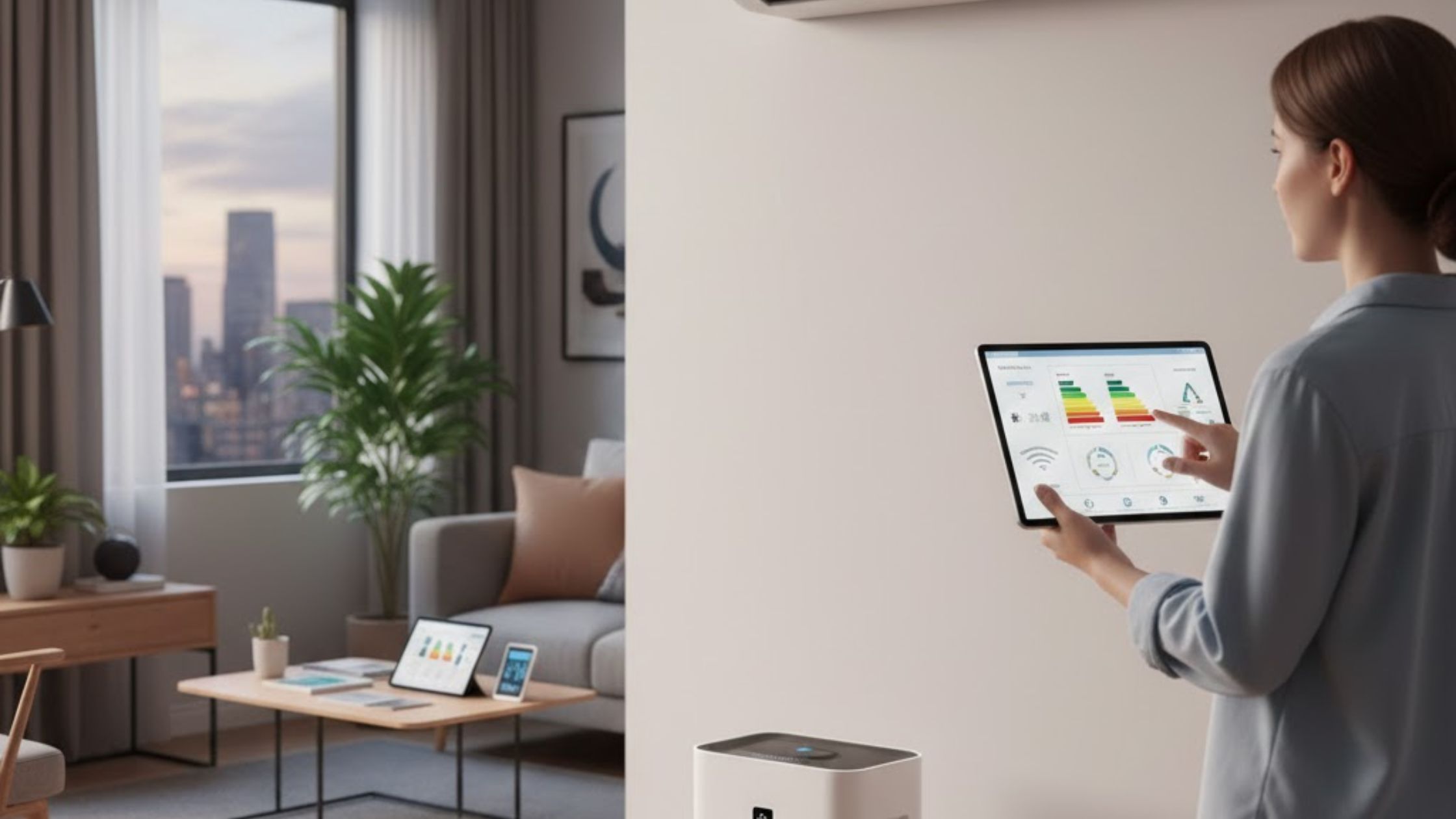
Choosing the right system for a small living area can feel difficult, especially when many options claim to be the best. When someone is trying to pick hvac equipment for compact rooms, apartments, home offices, or studios, the choices need careful thought. The AC Outlet understands that small spaces demand systems that save energy, reduce noise, and deliver consistent comfort without taking up too much room.
Small spaces often face unique challenges. These rooms heat up faster, cool down faster, and may not have enough square footage to hold larger systems. This is why selecting the right unit matters. The goal is not just to control temperature but to improve air quality, reduce energy bills, and maintain long-term comfort. Every home is different, so the hvac equipment must match the actual space needs, layout style, and user lifestyle.
This guide explains how to choose the best system for a compact area. It covers space assessment, equipment types, installation tips, energy considerations, and what homeowners must keep in mind before making a purchase. With help from The AC Outlet, anyone can find a system that fits perfectly without wasting space, money, or energy.
The Needs of Small Spaces
Small spaces require more specific heating and cooling solutions compared to larger homes. Temperature shifts happen quicker, and airflow limitations can affect comfort. Some spaces may only need a single heating or cooling source, while others may need a combination of ventilation and humidity control.
Why Space Size Matters
The size of the room affects how well hvac equipment performs. If the system is too large, it will cycle on and off, wasting energy and not properly maintaining comfort. If the system is too small, it will run constantly and still struggle to reach the desired temperature.
Airflow Challenges in Tight Rooms
Smaller rooms often have limited airflow. Furniture, doors, and walls block circulation. The right HVAC system must be able to move air efficiently even in tight layouts.
Noise Concerns for Small Areas
Noise is a major issue in compact spaces. Loud units make resting, working, or studying difficult. Quiet systems are essential for comfort, especially in bedrooms or studio apartments.
Evaluating Different HVAC Equipment Types for Small Spaces
Different homes require different solutions. While many systems exist, not all are ideal for small areas. Understanding the pros and cons helps homeowners choose wisely.
Mini-Split Systems
Why Mini-Splits Work Well for Small Areas
Mini-split systems are perfect for small spaces because they offer targeted cooling and heating without needing ductwork. This makes them energy-efficient and ideal for rooms that do not have central air.
Control and Flexibility
Mini-splits allow users to control the temperature in a single zone, giving flexibility and reducing energy waste. They are also quiet, compact, and easy to install.
Window Air Conditioners
Benefits of Window AC Units
Window units fit directly in a window frame and work well for bedrooms, dorm rooms, and studio apartments. They are affordable and provide fast cooling.
Space Considerations
These units take up no floor space, which is important in compact rooms. However, they can be noisier compared to other options.
Portable AC Units
Who Should Use Portable AC Systems
Portable AC units are good for renters or anyone who needs a temporary solution. They can be moved from one room to another depending on cooling needs.
Limitations to Consider
They often take up floor space and require a venting hose. They also use more electricity compared to other options.
Electric Space Heaters
Heating Small Rooms
Electric heaters are a simple way to warm small rooms quickly. They work well during short cold periods.
Safety and Efficiency
However, they are not suitable as a long-term primary heating system. Users must follow safety guidelines to avoid overheating or fire risks.
Through-the-Wall AC Units
A Permanent Cooling Option
These units are similar to window ACs but are installed through an exterior wall. They save space and provide reliable cooling.
Why They Work for Compact Living
They offer strong cooling power without blocking windows, but installation requires professional assistance.
Considering BTU Capacity for Small Spaces
One of the most important factors when choosing hvac equipment is BTU capacity. This measures how much heating or cooling the unit can deliver.
The Risks of Oversized Units
Oversized units cool or heat the room too quickly, leading to uneven temperatures and wasted energy.
The Risks of Undersized Units
Small units run nonstop trying to reach the desired temperature and still fail to deliver comfort.
How to Calculate the Right Capacity
Most small rooms require 5,000 to 12,000 BTUs depending on square footage:
- 100–150 sq ft: 5,000 BTUs
- 150–250 sq ft: 6,000 BTUs
- 250–350 sq ft: 8,000 BTUs
- 350–450 sq ft: 10,000 BTUs
- 450–550 sq ft: 12,000 BTUs
The AC Outlet can guide homeowners in calculating the correct size for their space.
Energy Efficiency: A Key Factor for Small-Space HVAC
Small spaces can have high energy waste if the system is not efficient. Choosing energy-saving hvac equipment is important for long-term savings.
Understanding SEER Ratings
Systems with high SEER ratings deliver better performance using less electricity. Mini-splits and some window units offer high SEER ratings.
Energy Star-Certified Systems
Equipment with the Energy Star label helps reduce electricity costs and lowers environmental impact.
Inverter Technology
Systems with inverter technology adjust speed based on the room’s needs, offering quiet operation and reduced energy bills.
Installation Requirements for Small Spaces
Proper installation ensures that the system works efficiently and lasts longer.
Wall Placement
Units should be installed at a height that allows even airflow throughout the room.
Avoiding Obstruction
Furniture should not block vents or airflow paths, as this affects performance.
Professional Installation
While some units are easy to set up, professional installation is recommended for mini-splits and through-the-wall units to avoid performance issues.
Maintenance Tips for Small-Space HVAC Systems
Regular maintenance improves system performance and increases lifespan.
Cleaning Filters
Filters should be cleaned or replaced every few weeks to maintain airflow and avoid dust buildup.
Checking Vents
Vents must be free from blockage to avoid inefficient operation.
Seasonal Servicing
A seasonal inspection by a professional ensures that all parts work correctly and prevents unexpected breakdowns.
Improving Indoor Air Quality in Small Rooms
Because small spaces have limited airflow, the right hvac equipment can help maintain healthy indoor air.
Using Built-In Air Filters
Many systems include filters that capture dust, allergens, and bacteria.
Humidity Control
Systems with humidity control help prevent mold and keep air comfortable.
Fresh Air Ventilation
Some small-space HVAC solutions include ventilation features to improve air freshness.
Cost Considerations When Choosing Small-Space HVAC Equipment
Choosing a system involves balancing cost, performance, and long-term savings.
Upfront Cost vs Long-Term Value
A cheaper system may cost more over time due to high energy use or frequent repairs.
Operating Costs
Energy-efficient units reduce monthly bills and create long-term savings.
Durability and Warranty
Systems from trusted brands like The AC Outlet come with strong warranties for peace of mind.
Why The AC Outlet Is a Trusted Source for HVAC Equipment
The AC Outlet offers a wide selection of high-quality systems designed for small rooms, apartments, and compact homes.
Expert Guidance
Their team helps customers compare systems and find the best unit for their unique space.
Reliable Products
They carry trusted brands known for performance, durability, and energy efficiency.
Support and Customer Care
From selection to installation assistance, The AC Outlet provides dependable customer support.
Conclusion
Choosing hvac equipment for small spaces becomes much easier when the right factors are considered. By understanding room size, energy efficiency needs, and equipment types, anyone can find a system that delivers both comfort and savings. The guidance found in this article explains every important step, helping readers make informed decisions that fit their home. The AC Outlet continues to be a trusted source for people looking for reliable, high-quality solutions that work well in smaller environments. With the right system in place, small rooms can stay comfortable throughout the year without wasting space, energy, or money.
Here, you can find more articles.