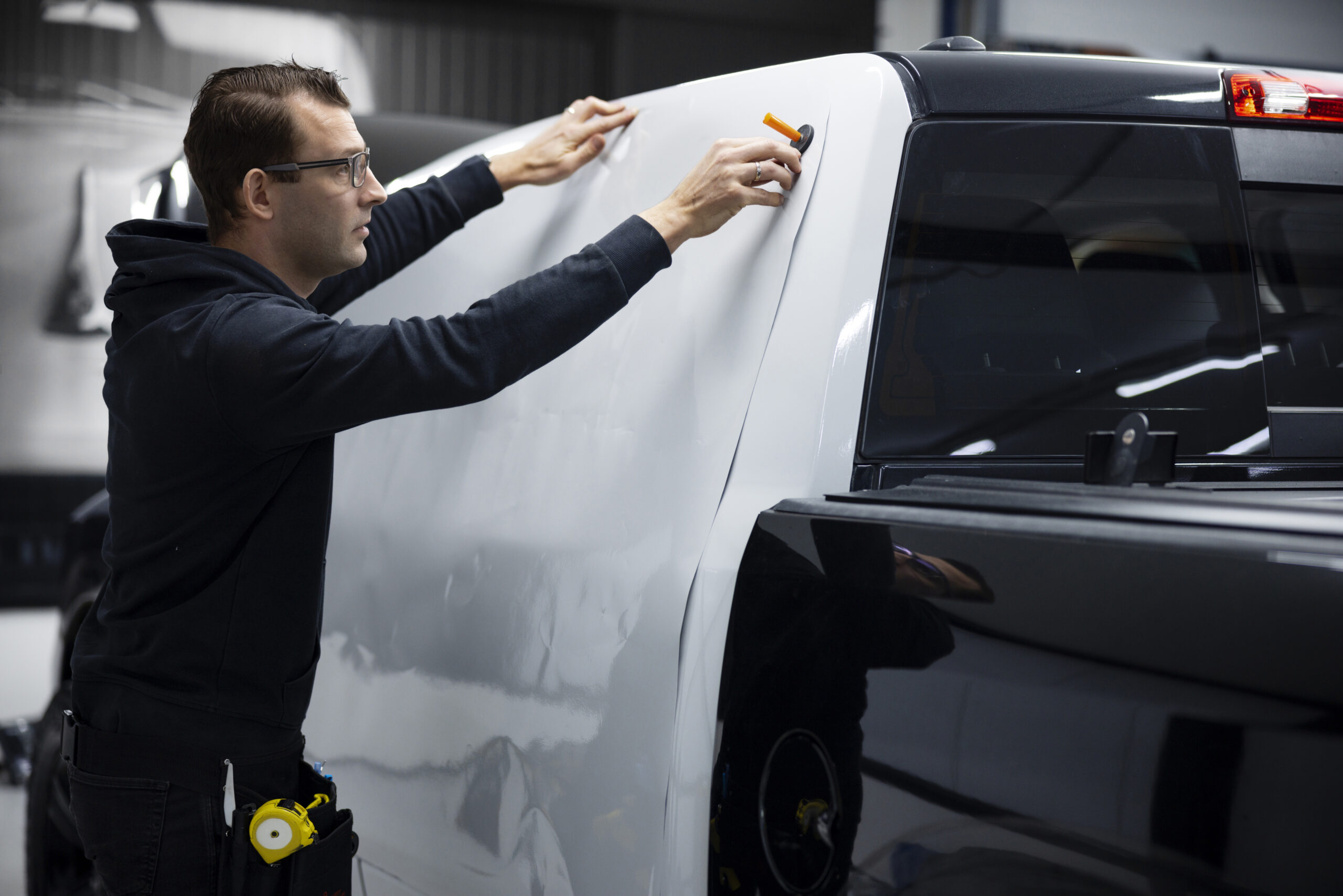
In the world of automotive care, few investments offer the peace of mind and long-term value of a high-quality Clear paint protection film. This nearly invisible shield stands as the first line of defense against the daily assault of road debris, bug acids, bird droppings, and minor abrasions, preserving your vehicle’s pristine factory finish for years to come. But a common and critical question arises for every discerning car owner considering this protective upgrade: exactly how long does this transparent armor last? The answer is not a single number, as the longevity of your PPF is a direct result of the intricate interplay between product quality, installation expertise, and environmental factors. This comprehensive breakdown will dissect every element that influences the service life of clear paint protection film, providing you with the detailed knowledge needed to make an informed decision and set realistic expectations for your investment.
Understanding the Clear Paint Protection Film Lifespan Spectrum
The durability of clear paint protection film is not a matter of chance; it is engineered. Modern high-performance PPF is typically constructed from a resilient, thermoplastic polyurethane (TPU) material, which is what gives it its self-healing properties and exceptional tensile strength. The lifespan of a PPF installation exists on a spectrum, generally ranging from 5 to 10 years. However, this is a broad estimate. Entry-level or budget-oriented films may begin to show significant signs of wear, such as yellowing and cracking, closer to the 5-year mark. In contrast, premium-grade films from leading manufacturers, when paired with professional installation and proper maintenance, can often exceed the 10-year threshold, with some warranties extending even further. The key differentiator lies in the advanced technology embedded within the film’s layers, including top-coated clear coats that resist staining and UV radiation, which is the primary culprit behind degradation and yellowing over time.
The Critical Factors That Determine Your PPF’s Longevity
Film Quality and Manufacturing Technology
The brand and technological composition of the PPF you choose is the single most important determinant of its lifespan. Not all films are created equal. Premium products incorporate advanced features that directly combat the elements that cause aging.
- Self-Healing Top Coat: This proprietary technology allows minor swirl marks and scratches to “heal” themselves when exposed to heat, either from sunlight or warm water. This regenerative capability is crucial for maintaining a flawless appearance year after year.
- Hydrophobic Surface: A high-quality film will feature a hydrophobic top layer that causes water to bead up and roll off, carrying dirt and contaminants with it. This not only makes the vehicle easier to clean but also reduces the risk of water spots and chemical etching from minerals.
- UV Inhibitors and Stain Resistance: The best films are infused with potent UV inhibitors that prevent the chemical breakdown and yellowing of the polyurethane. Furthermore, their non-porous surface resists penetration from bug splatter, bird droppings, and tree sap, preventing permanent staining.
Professional Installation: A Non-Negotiable Factor
The finest clear paint protection film in the world can be compromised by a subpar installation. The skill of the installer is paramount. A certified and experienced installer ensures:
- Contamination-Free Application: They work in a controlled, clean-room environment to prevent dust, hair, and other particles from being trapped under the film, which can lead to bubbling and lifting.
- Precise Pattern Alignment: Using pre-cut, computer-designed patterns or expert hand-cutting, they ensure perfect edge alignment. Properly tucked edges prevent dirt and moisture from getting underneath the film, which is a primary cause of failure and peeling.
- Optimal Adhesive Activation: The pressure-sensitive adhesive on the back of the film must be activated correctly to form a permanent bond with your vehicle’s clear coat, preventing edges from lifting prematurely.
Environmental and Usage Conditions
Your driving habits and local climate play a significant role in how long your PPF will last.
- Sun Exposure and Heat: Constant exposure to intense ultraviolet rays and high temperatures is the most significant environmental stressor. Vehicles regularly parked outdoors in sunny climates will experience a faster rate of film degradation than those kept in a garage.
- Chemical Exposure: Frequent contact with harsh chemicals, such as acidic tree sap, bug remains, bird droppings, and even some automated car wash soaps, can break down the film’s top coat over time if not removed promptly.
- Driving Conditions: Highway driving exposes the front end of your vehicle to a constant barrage of sand, gravel, and road debris. While the PPF is designed to absorb this impact, a higher frequency of impacts will naturally result in more visible pits and marks over the years.
Recognizing the Signs: When Does PPF Need Replacement?
Even the most durable clear paint protection film has a finite lifespan. Being able to identify the signs of aging will tell you when it’s time to consider a replacement to ensure continuous protection for your paint.
- Yellowing or Discoloration: While modern premium films are highly resistant to yellowing, it can still occur over many years, especially on white or light-colored vehicles. This is a clear indicator that the UV inhibitors are no longer fully effective.
- Hazing and Loss of Gloss: A film that is nearing the end of its life may develop a permanent haze or dullness that does not disappear after a thorough wash and decontamination. This signifies the degradation of the top coat.
- Brittleness, Cracking, and Lifting Edges: As the film’s polymers break down, it loses its elasticity. It may become brittle, develop micro-cracks, and the edges may begin to lift and curl, allowing dirt and moisture to accumulate underneath.
- Permanent Staining and Etching: If contaminants have been left on the film for too long, they can create permanent stains or etch marks that cannot be polished or healed away, compromising the aesthetic clarity.
Maximizing Your Investment: PPF Maintenance Best Practices
To ensure you reach the upper end of your film’s potential lifespan, a consistent and proper maintenance routine is essential.
- Regular and Gentle Washing: Wash your vehicle frequently using the two-bucket method with a pH-neutral automotive shampoo. This removes harmful contaminants before they have a chance to bond to the surface.
- Prompt Contaminant Removal: Immediately remove bug splatter, bird droppings, and tree sap. Use a dedicated detail spray as a lubricant and gently wipe them away to prevent etching.
- Avoid Harsh Chemicals and Abrasives: Never use household cleaners, abrasive polishes, or harsh waxes containing naphtha on your PPF. These will quickly degrade the hydrophobic and self-healing properties of the top coat.
- Use Recommended Sealants: Periodically applying a PPF-safe ceramic sealant or spray coating can rejuvenate the hydrophobic properties and add an extra layer of protection against contaminants and UV rays, effectively extending the film’s service life and maintaining its like-new appearance.
Conclusion: A Decade of Protection is Within Reach
The question of how long clear paint protection film lasts is met with a confident answer: a high-end film, professionally installed and meticulously maintained, is engineered to provide uncompromising protection for a decade or more. It is a long-term investment that pays dividends by safeguarding your vehicle’s aesthetic appeal and its resale value. By understanding the factors that influence its durability and committing to a proactive care regimen, you can ensure that your PPF continues to perform its vital function, keeping your paint flawless and your investment secure for the long haul.
