
TIG welding, also known as Tungsten Inert Gas welding, is a precise and versatile welding technique used in many industries. It provides strong, clean, and high-quality welds, making it a popular choice for professionals. Understanding how TIG welding works and why it is widely used can help beginners and businesses make better decisions about their welding needs. This article explains everything in simple, clear, and easy-to-understand language.
Note: TIG Welding Dubai provides precise and high-quality welding services for industries like automotive, aerospace, and construction, ensuring strong, clean, and durable welds.
Understanding TIG Welding
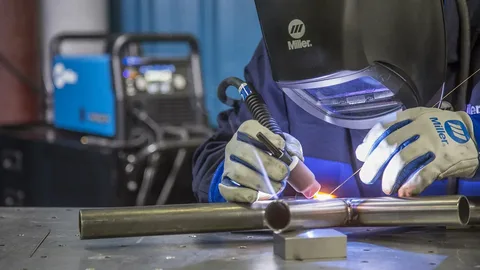
What Is TIG Welding?
TIG welding is a welding process that uses a non-consumable tungsten electrode to create an electric arc between the electrode and the metal. This arc melts the metal and forms a weld. A separate filler metal can be added if needed. The process uses an inert gas, usually argon, to shield the weld from contamination.
Key Features of TIG Welding
- Precision: TIG welding allows very accurate control of the heat and weld.
- Clean Welds: The process produces smooth, clean welds with minimal spatter.
- Versatility: It can be used on a wide range of metals including stainless steel, aluminum, copper, and titanium.
How TIG Welding Works
Step One: Setting Up the Equipment
Before welding, the TIG welding machine must be set up correctly. This includes:
- Choosing the right tungsten electrode size and type
- Selecting the proper filler material if needed
- Adjusting the machine settings based on the material thickness and type
- Ensuring the gas flow rate is correct to protect the weld
Step Two: Preparing the Metal
Clean metal surfaces are essential for quality TIG welds. Any rust, paint, or oil must be removed before welding. Clean surfaces prevent contamination and ensure strong welds.
Step Three: Starting the Arc
The welder strikes an electric arc between the tungsten electrode and the workpiece. The heat generated by this arc melts the metal at the welding point.
Step Four: Adding Filler Material
If additional material is needed to strengthen the weld, the welder slowly adds a filler rod into the molten pool created by the arc. The welder controls the speed and amount to ensure a uniform and smooth weld.
Step Five: Shielding with Gas
The inert gas, such as argon, flows around the weld area to protect it from oxygen and other contaminants. This prevents oxidation and ensures a clean, high-quality weld.
Advantages of TIG Welding
High-Quality Welds
TIG welding produces strong and precise welds with smooth finishes. It is ideal for applications where appearance and strength are important, such as automotive parts, aerospace components, and decorative metalwork.
Versatility
TIG welding can join many types of metals, including aluminum, stainless steel, copper, and even exotic metals like titanium. This versatility makes it suitable for a wide range of industries and applications.
Better Control
TIG welding allows welders to control heat, filler material, and welding speed accurately. This reduces the risk of defects like cracks or warping.
Minimal Post-Weld Cleanup
Unlike other welding methods that produce a lot of spatter, TIG welding creates clean welds. This reduces the need for grinding or polishing after welding.
Safety
Using TIG welding can be safer than some other welding methods because it produces less smoke and fewer sparks. Proper protective gear still remains essential for safety.
Why TIG Welding Is Popular
Automotive Industry
TIG welding is widely used in car manufacturing and repair. Its ability to create precise and clean welds makes it perfect for car frames, exhaust systems, and custom modifications.
Aerospace Industry
In aerospace, safety and strength are critical. TIG welding produces high-quality welds that can withstand extreme conditions, making it a preferred choice for airplane components and engine parts.
Metal Art and Decorative Work
Artists and craftsmen use TIG welding for creating metal sculptures, furniture, and decorative items. The clean and precise welds make it perfect for visible surfaces.
Industrial Applications
Factories and industries use TIG welding to produce machinery, pipelines, and structural components. Its precision reduces errors and ensures durability.
Tips for Beginners in TIG Welding
Start with Simple Projects
Beginners should practice on small, simple pieces of metal to get a feel for the torch, filler rod, and gas control.
Maintain a Steady Hand
Precision is key in TIG welding. Keeping a steady hand helps produce clean and even welds.
Use Proper Safety Gear
Always wear a welding helmet, gloves, and protective clothing. Even though TIG welding produces fewer sparks, safety is essential.
Keep the Tungsten Electrode Sharp
A sharp tungsten electrode ensures a stable arc and better weld quality. Regularly check and grind the electrode as needed.
Clean Metals Properly
Always clean the metal surfaces before welding to prevent contamination and weak welds.
Common Applications of TIG Welding
- Automotive frames and exhaust systems
- Aerospace components
- Industrial machinery
- Metal art and decorative structures
- Piping and pressure vessels
- Jewelry and fine metalwork
Final Thoughts on TIG Welding
TIG welding is a popular and versatile welding method that provides precise, strong, and clean welds. Its ability to work on a variety of metals and its control over the welding process make it ideal for automotive, aerospace, industrial, and artistic applications.
By understanding how TIG welding works, its advantages, and its applications, beginners and professionals alike can make the most of this technology. Proper equipment, preparation, and safety practices are essential to achieve high-quality results. TIG welding remains a preferred choice for industries and projects where precision, quality, and durability are critical.
For more insightful articles related to this topic, feel free to visit: typenox.online