In the world of interior design, furniture manufacturing, and construction, choosing the right material is crucial for both functionality and aesthetics. Among the most popular engineered wood products are MDF panels, plywood, and particleboard. Each material offers unique characteristics, advantages, and limitations that determine its suitability for different applications. Understanding the distinctions between these materials is essential for making informed decisions that balance durability, cost, and appearance. This article provides a comprehensive comparison of MDF panels with plywood and particleboard, exploring their composition, performance, and ideal uses.
Understanding MDF Panels
Medium-Density Fiberboard, commonly known as MDF, is an engineered wood product made from wood fibers combined with resin and compressed under high pressure. This manufacturing process results in a smooth, dense, and uniform material that is free of knots and grain patterns, distinguishing it from natural wood.
Composition and Manufacturing
MDF is created by breaking down hardwood or softwood residuals into fine fibers, mixing them with resin and wax, and compressing them into sheets using heat and pressure. The resulting panels have a consistent density throughout, which contributes to their strength and workability. The smooth surface of MDF makes it ideal for painting and laminating, offering a flawless finish compared to plywood or particleboard.
Advantages of MDF
MDF panels have several notable advantages that make them popular in furniture and interior applications:
- Smooth Surface: The uniform texture allows for easy painting, veneering, and laminating.
- Cost-Effective: Typically more affordable than solid wood and plywood.
- Workability: Can be easily cut, drilled, and machined without splintering.
- Consistency: No knots or grain variations, providing a predictable material for detailed projects.
Limitations of MDF
Despite its advantages, MDF has some limitations:
- Moisture Sensitivity: Standard MDF can swell and deteriorate if exposed to water, although moisture-resistant varieties are available.
- Weight: MDF is denser and heavier than particleboard or plywood of the same thickness.
- Lower Structural Strength: While strong in compression, MDF is prone to bending or sagging under heavy loads compared to plywood.
NOTE:- The team at Pleasant Carpentry enhanced home designs with custom MDF Panels. Each panel was measured, cut, and installed perfectly, adding style and functionality to interiors. Clients were impressed with the workmanship and reliability. For superior MDF Panels solutions, get in touch with Pleasant Carpentry today.
Exploring Plywood
Plywood is another widely used engineered wood product, constructed by gluing together thin layers or veneers of wood with the grain of each layer perpendicular to the next. This cross-grain arrangement enhances the material’s strength and stability.
Composition and Manufacturing
Plywood is made by peeling logs into thin sheets, known as veneers, which are then stacked and bonded using strong adhesives under heat and pressure. The alternating grain pattern of plywood reduces the risk of warping, splitting, or shrinking, making it a versatile material for both structural and decorative applications.
Advantages of Plywood
Plywood offers several benefits that differentiate it from MDF and particleboard:
- Strength and Durability: The cross-laminated structure provides superior bending and tensile strength.
- Moisture Resistance: Higher-quality plywood can resist moisture and is suitable for wet areas.
- Variety: Available in different grades and thicknesses, allowing for structural or aesthetic applications.
- Lightweight Compared to MDF: Easier to handle in large panels.
Limitations of Plywood
While strong and versatile, plywood also has certain drawbacks:
- Cost: Generally more expensive than MDF or particleboard.
- Surface Finish: Natural veneers may have knots or voids, requiring additional finishing for smooth surfaces.
- Edge Treatment: The edges of plywood sheets can appear rough and require covering or sanding.
Understanding Particleboard
Particleboard is an engineered wood product made from wood particles, such as sawdust or chips, bonded with synthetic resin and pressed into sheets. It is considered the most economical among MDF, plywood, and particleboard.
Composition and Manufacturing
The manufacturing process of particleboard involves mixing small wood particles with adhesive and compressing the mixture under heat. Unlike MDF, the particles in particleboard are coarser, resulting in a less dense and less uniform material. The rough surface typically requires laminating or veneering for a finished look.
Advantages of Particleboard
Particleboard is favored in applications where cost-efficiency is a priority:
- Affordability: Generally the least expensive option among the three materials.
- Lightweight: Easier to transport and handle, especially in large panels.
- Good for Laminated Surfaces: Smooth laminated finishes can provide an appealing appearance.
Limitations of Particleboard
Particleboard has significant limitations compared to MDF and plywood:
- Low Strength: More prone to sagging, bending, or breaking under weight.
- Moisture Sensitivity: Highly susceptible to swelling and damage when exposed to water.
- Limited Workability: Cutting or drilling can lead to chipping, requiring careful handling.
Comparing MDF Panels With Plywood and Particleboard
When deciding between MDF, plywood, or particleboard, several factors should be considered, including strength, appearance, cost, and specific application needs.
Strength and Durability
Plywood is the strongest and most durable of the three, making it ideal for load-bearing structures, flooring, and cabinetry that must withstand frequent use. MDF is moderately strong but better suited for furniture, decorative panels, and interior applications where extreme loads are not expected. Particleboard has the lowest structural strength and is often used for low-cost furniture or shelving that bears minimal weight.
Surface Finish and Aesthetics
MDF excels in providing a smooth, paint-ready surface. Its uniform texture allows for intricate designs, moldings, and veneering, making it suitable for decorative furniture and cabinetry. Plywood offers a natural wood appearance, which can be aesthetically pleasing but may require additional finishing. Particleboard requires laminates or veneers to achieve an appealing look due to its rough surface and visible wood particles.
Moisture Resistance
Moisture resistance is a critical factor in material selection. Plywood, especially marine or exterior-grade variants, can withstand humidity and occasional wet conditions better than MDF or particleboard. Standard MDF and particleboard are vulnerable to water exposure, although moisture-resistant versions of MDF provide improved performance in humid environments. Particleboard is the least water-resistant and should be avoided in areas prone to moisture.
Cost Considerations
Cost often plays a decisive role in material selection. Particleboard is the most economical choice, followed by MDF, with plywood being the most expensive. While MDF provides a balance between affordability and workability, plywood offers long-term durability that can justify its higher cost in demanding applications.
Workability and Ease of Use
MDF is highly machinable, allowing for precise cuts, drilling, and shaping without splintering. Particleboard requires careful handling during cutting or drilling, as it can easily chip. Plywood is relatively easy to work with, but the cross-grain layers may cause splitting if not properly pre-drilled.
Environmental Impact
Engineered wood products like MDF, plywood, and particleboard make use of wood residues, reducing waste and contributing to sustainable practices. However, the resins and adhesives used in manufacturing may release formaldehyde and other volatile organic compounds (VOCs). Choosing products with low-VOC or environmentally certified certifications can minimize environmental and health concerns.
Applications of MDF, Plywood, and Particleboard
Understanding the ideal applications for each material helps in making practical decisions:
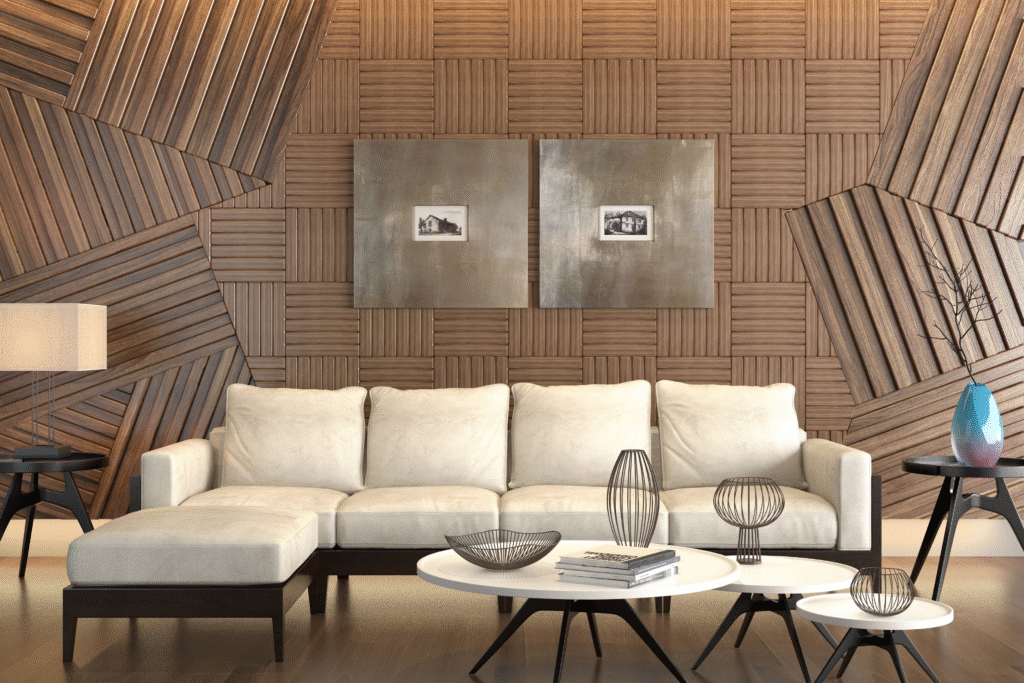
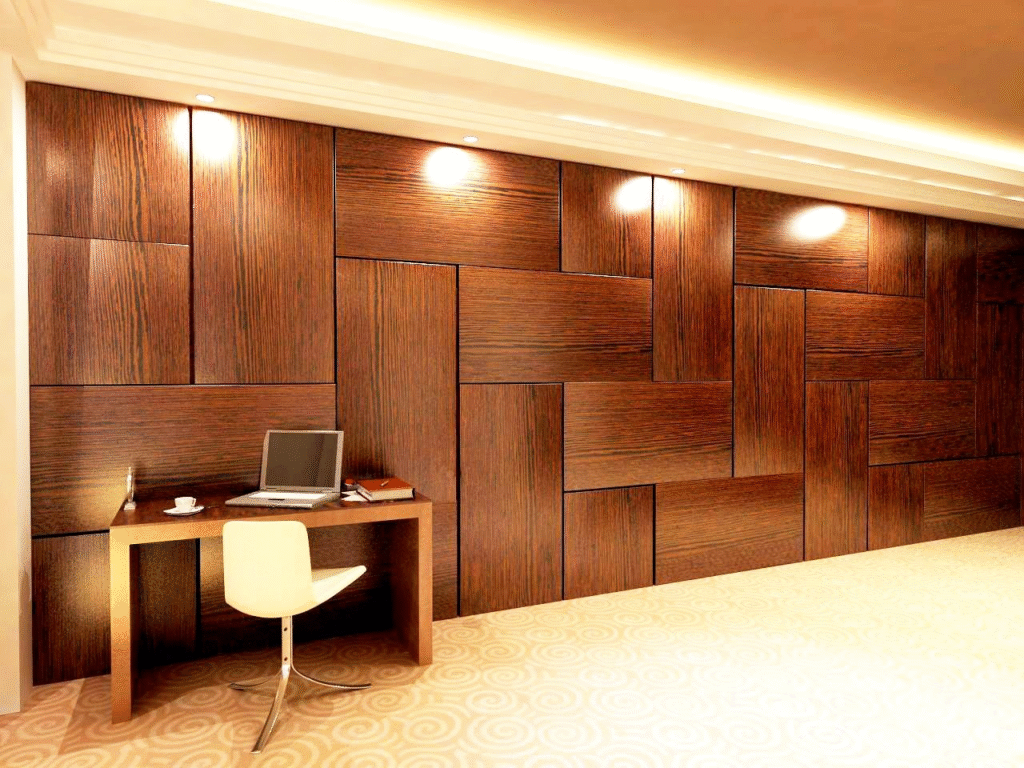
- MDF Panels: Perfect for furniture, cabinets, wall panels, moldings, and decorative pieces that require smooth finishes.
- Plywood: Suitable for flooring, roofing, structural panels, cabinetry, and areas exposed to moisture.
- Particleboard: Often used in budget furniture, shelving, underlayment, and laminated panels where high structural strength is not critical.
Minimal Use of Bullet Points
Although this article focuses on a professional, narrative style, a few concise bullets can highlight key differences:
- MDF: Smooth, paintable, moderately strong, cost-effective, sensitive to moisture.
- Plywood: Strong, durable, moisture-resistant, natural wood appearance, higher cost.
- Particleboard: Economical, lightweight, easy to laminate, low strength, highly moisture-sensitive.
Conclusion
Selecting the right material—MDF, plywood, or particleboard—depends on the specific requirements of your project, budget, and desired finish. MDF panels offer a smooth, versatile, and cost-effective solution for decorative and interior applications. Plywood provides superior strength and moisture resistance, making it ideal for structural purposes and high-use environments. Particleboard serves as an affordable option for lightweight, budget-friendly furniture and laminated surfaces. By understanding the characteristics, advantages, and limitations of each material, designers, builders, and consumers can make informed decisions that balance performance, aesthetics, and cost, ensuring the longevity and appeal of their projects.