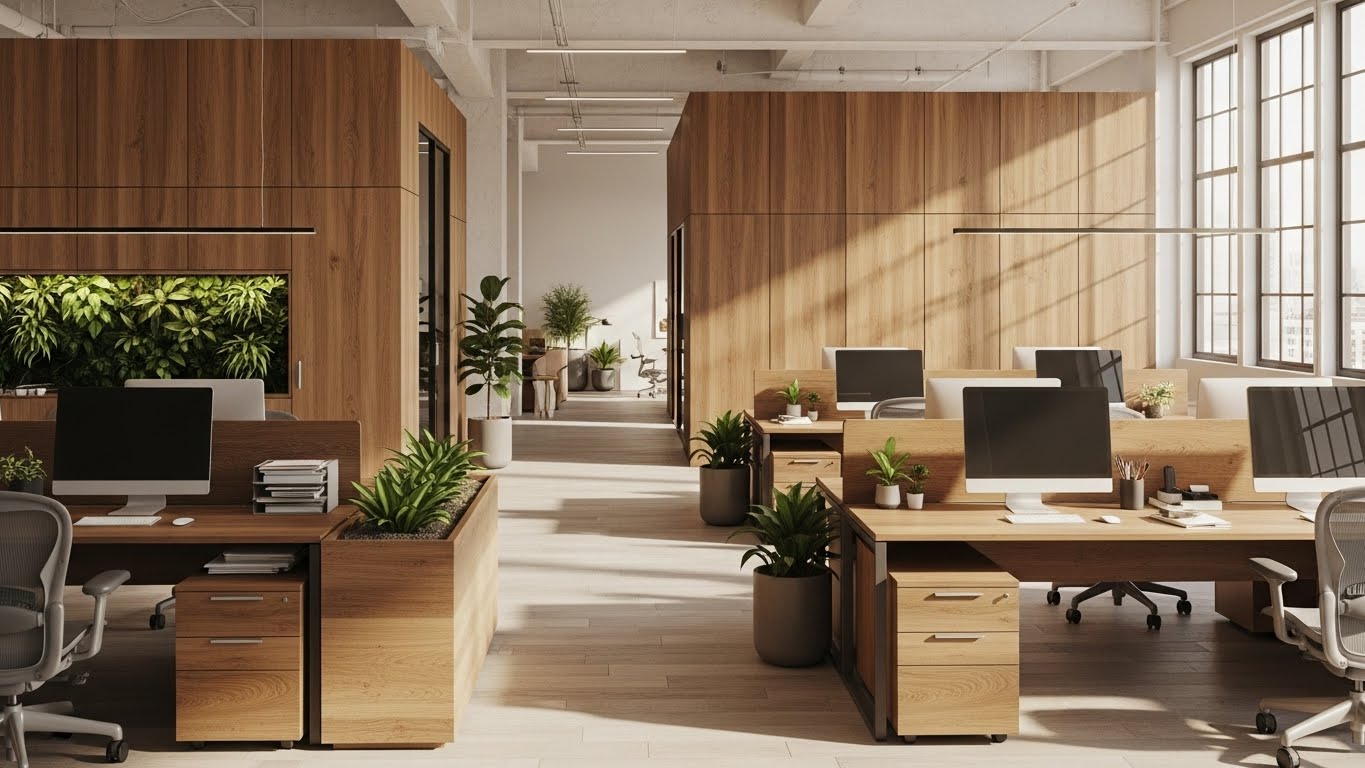
Architectural vinyl wrap is a high-performance decorative film designed to cover interior surfaces without removing or replacing existing materials. Designers, architects, and facility managers use it to refresh walls, doors, ceilings, furniture, and fixtures while avoiding the disruption of traditional renovations. These wraps replicate the appearance of natural materials such as wood, marble, concrete, metal, or leather with remarkable accuracy.
Manufacturers engineer architectural vinyl films to meet commercial-grade standards. They resist scratches, moisture, UV exposure, and daily wear, which makes them suitable for high-traffic environments. Unlike paint or laminates, vinyl wraps adhere directly to existing surfaces, allowing fast transformation with minimal downtime.
How Architectural Vinyl Differs From Standard Vinyl
Architectural vinyl wrap differs significantly from standard signage or automotive vinyl. It features thicker layers, embossed textures, and specialized adhesives designed for long-term interior use. Leading brands like 3M DI-NOC and Avery Dennison Architectural Films undergo rigorous fire-rating and durability testing, which allows them to meet building codes in commercial properties.
Why Architectural Vinyl Wrap Is Gaining Popularity
The growing demand for architectural vinyl wrap reflects changing priorities in interior design and property management. Businesses want flexibility, speed, and cost control without sacrificing aesthetics. Vinyl wraps meet these expectations while offering creative freedom.
Architectural vinyl allows rapid design updates without demolition. Hotels refresh guest rooms between seasons. Retail brands reimage stores to align with new campaigns. Corporate offices modernize workspaces without extended closures. Vinyl wrap installations often complete in days rather than weeks.
Design professionals also value the consistency vinyl offers. Natural materials vary in grain and color, while vinyl films deliver predictable finishes across large spaces. This consistency simplifies large-scale rollouts for franchises and multi-location businesses.
Common Applications of Architectural Vinyl Wrap
Commercial and Corporate Spaces
Corporate offices frequently use architectural vinyl wrap to upgrade lobbies, conference rooms, elevators, and workstations. Facility managers apply wood-grain vinyl to desks and cabinetry to create a warmer environment without replacing furniture. Vinyl-wrapped wall panels enhance acoustics while reinforcing brand aesthetics.
Healthcare and educational facilities favor vinyl wrap because it supports hygiene protocols. Many architectural films resist moisture and allow frequent cleaning with approved disinfectants.
Residential Interiors
Homeowners increasingly choose architectural vinyl wrap for kitchens, wardrobes, doors, and feature walls. Vinyl provides a cost-effective alternative to refacing cabinets or installing new wall panels. Stone and marble-effect wraps add luxury finishes without the weight or expense of natural materials.
Rental property owners use vinyl wrap to refresh interiors between tenants. The reversible nature of vinyl makes it appealing for temporary upgrades that still deliver visual impact.
Retail and Hospitality Environments
Retail stores rely on architectural vinyl wrap to maintain brand consistency across locations. Vinyl-wrapped shelving, counters, and wall displays allow seasonal updates without structural changes. Hospitality venues use vinyl to redesign guest rooms, bars, and reception areas while keeping rooms operational during renovations.
Types of Architectural Vinyl Wrap Finishes
Architectural vinyl wrap comes in an extensive range of finishes designed to replicate premium materials.
Wood grain vinyl remains one of the most popular options. It reproduces oak, walnut, teak, and exotic veneers with tactile textures that mimic real grain patterns. Stone and concrete finishes suit modern interiors and industrial design themes.
Metallic and brushed aluminum vinyl creates sleek, contemporary surfaces for commercial spaces. Matte and soft-touch finishes add subtle elegance, while high-gloss vinyl enhances light reflection in smaller rooms.
Brands like Cover Styl’ and LX Hausys BENIF continuously release new collections that reflect interior design trends, ensuring designers can match evolving aesthetics.
Installation Process and Best Practices
Professional installation plays a critical role in the performance of architectural vinyl wrap. Installers begin by cleaning and preparing surfaces to remove dust, grease, or imperfections. Proper surface preparation ensures strong adhesion and smooth finishes.
Installers use heat guns and precision tools to conform vinyl to edges, curves, and recessed areas. Skilled technicians align patterns carefully, especially with wood grain or stone designs, to maintain realism.
Certified installers trained by manufacturers such as 3M or Avery Dennison deliver optimal results and preserve product warranties. Proper installation also allows easier removal or replacement when design updates occur.
Durability, Maintenance, and Lifespan
Architectural vinyl wrap typically lasts between five and fifteen years depending on the environment and product quality. High-traffic commercial areas may experience more wear, while controlled indoor spaces preserve finishes longer.
Maintenance remains simple. Regular cleaning with mild detergents keeps surfaces looking new. Vinyl resists staining and does not require sealing, polishing, or refinishing like natural materials.
Sustainability and Cost Efficiency Benefits
Architectural vinyl wrap supports sustainable renovation strategies by reducing waste. Instead of removing existing materials, vinyl extends their life cycle. This approach lowers landfill contributions and reduces demand for raw materials.
Cost efficiency also drives adoption. Vinyl wrap installations cost significantly less than full renovations while delivering comparable visual upgrades. Businesses save on labor, downtime, and disposal expenses, which aligns with ESG-focused building strategies.
Real-World Use Cases and Industry Examples
A global hotel chain used architectural vinyl wrap to renovate over 300 guest rooms across multiple locations. By wrapping furniture, doors, and wall panels, the brand completed upgrades in under half the time of traditional renovations while maintaining occupancy.
A corporate headquarters applied wood-grain vinyl to workstations and glass partitions to create a biophilic design theme. Employee satisfaction scores improved, and the company avoided costly furniture replacement.
Retail franchises frequently use architectural vinyl wrap to roll out branding updates across stores while maintaining consistent finishes worldwide.
Frequently Asked Questions (FAQs)
What surfaces can architectural vinyl wrap cover?
Architectural vinyl wrap adheres to walls, doors, furniture, ceilings, columns, and smooth fixtures made from wood, metal, laminate, or glass.
Is architectural vinyl wrap removable?
Most architectural vinyl films remove cleanly when installed and removed correctly, especially within the manufacturer’s recommended lifespan.
How long does architectural vinyl wrap last indoors?
High-quality vinyl wraps last five to fifteen years depending on foot traffic, maintenance, and environmental conditions.
Does vinyl wrap damage underlying surfaces?
Proper installation and removal do not damage surfaces. Certified installers reduce risks during both processes.
Is architectural vinyl wrap fire-rated?
Many products meet international fire safety standards. Always verify certifications for commercial installations.
Can vinyl wrap handle moisture-prone areas?
Moisture-resistant vinyl works well in kitchens, bathrooms, and healthcare environments when installed correctly.