What Is Whole Plant Based Food? A Beginner’s Guide to Eating Clean and Natural
Introduction to Whole Plant Based Food
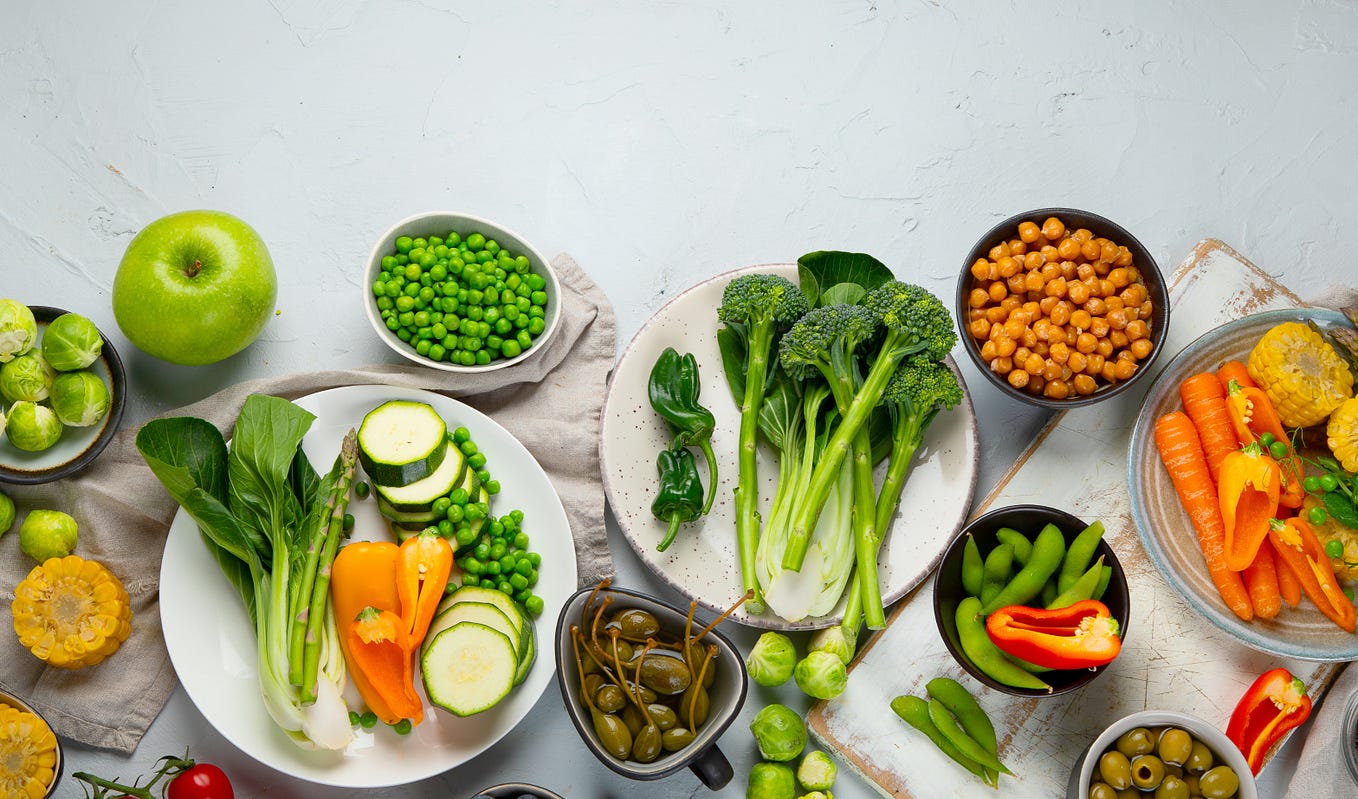
What is whole plant based food, and why are so many people choosing this way of eating? Simply put, a whole plant-based diet focuses on foods that come from plants and are eaten as close to their natural form as possible. This beginner-friendly approach emphasizes clean, natural eating while avoiding heavily processed foods and animal products.
A whole plant-based food lifestyle is not about strict rules or perfection. Instead, it is about nourishing your body with natural foods that support long-term health, energy, and well-being. For beginners, understanding the basics can make the transition easier and more enjoyable.
What Does “Whole Plant Based Food” Mean?
Whole plant-based food refers to foods that are:
- Plant-derived
- Minimally processed
- Free from artificial additives
This includes vegetables, fruits, whole grains, legumes, nuts, and seeds. Foods are eaten whole or in their most natural state, rather than refined or heavily altered.
For example, eating an apple instead of apple juice or choosing brown rice over white rice aligns with whole plant-based eating. The focus is on keeping fiber, vitamins, and minerals intact.
Whole Plant Based vs. Vegan: What’s the Difference?
Although they sound similar, whole plant-based and vegan diets are not the same.
- Vegan diets exclude animal products but may include processed foods like vegan cookies, chips, or meat substitutes.
- Whole plant-based diets focus on food quality and limit processed items, even if they are vegan.
A person can be vegan without eating whole foods, but a whole plant-based eater prioritizes clean, natural ingredients.
Core Foods in a Whole Plant Based Diet
Vegetables
Vegetables form the foundation of whole plant-based eating. Leafy greens, root vegetables, cruciferous vegetables, and colorful varieties provide essential nutrients and antioxidants.
Examples:
- Spinach, kale, lettuce
- Broccoli, cauliflower
- Carrots, sweet potatoes, beets
Fruits
Fruits offer natural sweetness along with fiber and vitamins. Whole fruits are preferred over juices or dried fruits with added sugar.
Examples:
- Apples, bananas, berries
- Oranges, mangoes, grapes
Whole Grains
Whole grains retain all parts of the grain, making them more nutritious and filling.
Examples:
- Brown rice
- Quinoa
- Oats
- Whole wheat
Legumes
Legumes are an excellent plant-based protein source and are rich in fiber.
Examples:
- Lentils
- Chickpeas
- Black beans
- Kidney beans
Nuts and Seeds
These provide healthy fats, protein, and minerals. They should be eaten in moderation due to their high calorie content.
Examples:
- Almonds, walnuts
- Chia seeds, flaxseeds
Foods to Limit or Avoid
A whole plant-based approach encourages reducing or avoiding:
- Animal products (meat, dairy, eggs)
- Refined grains (white bread, white pasta)
- Added sugars
- Highly processed foods
- Artificial additives and preservatives
The goal is not restriction but choosing foods that support clean and natural nutrition.
Health Benefits of Whole Plant Based Food
Supports Heart Health
Whole plant foods are naturally low in saturated fat and high in fiber, which may help support healthy cholesterol levels and heart function.
Improves Digestion
Fiber-rich foods promote better digestion and support gut health.
Supports Weight Management
Whole foods are filling and nutrient-dense, which may help prevent overeating.
Boosts Energy Levels
Natural carbohydrates from fruits, vegetables, and grains provide steady energy throughout the day.
Reduces Risk of Chronic Conditions
Research shared by organizations like the Harvard T.H. Chan School of Public Health suggests that plant-based diets may lower the risk of certain chronic diseases:
Is Whole Plant Based Food Suitable for Beginners?
Yes, whole plant-based food is very beginner-friendly. You do not need to change everything overnight. Many people start by:
- Adding more vegetables to meals
- Replacing refined grains with whole grains
- Choosing beans or lentils a few times a week
Small changes add up and make the transition sustainable.
How to Start Eating Whole Plant Based
Start with Simple Swaps
Replace processed foods with whole alternatives. For example, swap sugary cereals for oatmeal or white rice for brown rice.
Build Balanced Meals
Aim to include:
- A vegetable
- A whole grain
- A protein source (legumes or nuts)
Plan Ahead
Meal planning helps beginners avoid reaching for processed foods when hungry.
Learn to Read Labels
Choose foods with short ingredient lists and recognizable ingredients.
Common Mistakes Beginners Should Avoid
One common mistake is not eating enough calories. Whole foods are lower in calories, so beginners may need larger portions.
Another mistake is relying too much on plant-based processed foods. While convenient, they should not replace whole plant-based food.
Whole Plant Based Eating on a Budget
Eating clean and natural does not have to be expensive. Tips include:
- Buying seasonal produce
- Choosing frozen vegetables
- Buying beans and grains in bulk
- Cooking at home more often
Simple meals are often the most affordable and nutritious.
Frequently Asked Questions (FAQs)
1. Do I get enough protein from whole plant based food?
Yes. Legumes, whole grains, nuts, and seeds provide sufficient protein when eaten in variety.
2. Is whole plant-based food gluten-free?
Some foods are gluten-free, but whole wheat and other grains contain gluten. You can choose gluten-free grains if needed.
3. Can children follow a whole plant-based diet?
Yes, with proper planning and variety, it can support healthy growth.
4. Do I need supplements?
Some people may need vitamin B12. It is best to consult a healthcare professional.
5. Is whole plant-based eating restrictive?
No. It offers a wide variety of foods and flavors from different cultures.
6. How long does it take to feel benefits?
Many people notice improved digestion and energy within a few weeks.
Conclusion:
Understanding what is whole plant based food helps beginners feel confident about making healthier choices. This way of eating is about simplicity, balance, and nourishing your body with clean, natural foods. By focusing on whole plant-based food, you can build sustainable habits that support long-term health and well-being.