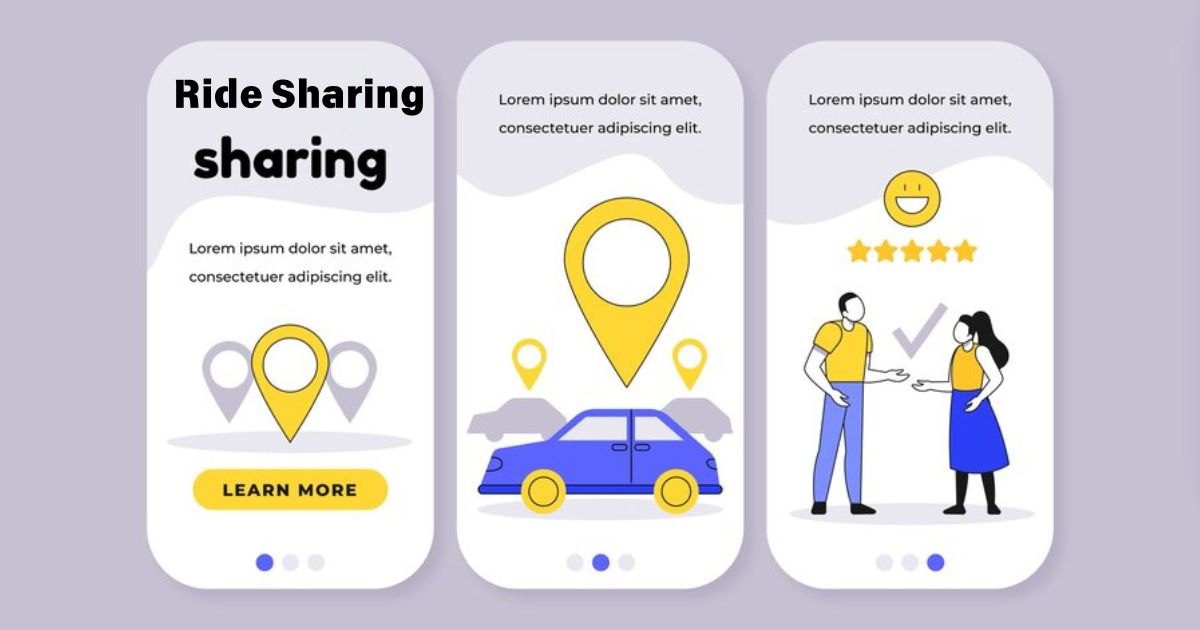
The rise of on-demand services has significantly transformed industries, and ride-sharing is one of the most disruptive examples. Businesses looking to tap into this growing market need to understand the intricacies of developing a ride-sharing app from scratch. Whether you’re aiming to build a ride-sharing app development company or exploring options to create a Gojek-like app, this comprehensive guide will walk you through the entire process — from conceptualization to launch.
Understanding the Basics of Ride Sharing Apps
Ride-sharing apps, such as Uber and Lyft, have revolutionized the way people commute. They leverage mobile technology to connect passengers with drivers in real-time, offering convenience, affordability, and efficiency. But before diving into the technicalities, it’s essential to grasp the fundamental components that drive these apps.
A well-built ride-sharing app is generally composed of three primary parts:
- User Interface (UI): For passengers and drivers to book rides, track vehicles, make payments, and rate services.
- Admin Panel: For business owners to manage users, monitor ride requests, and control pricing.
- Driver Interface: For drivers to accept bookings, navigate routes, and track earnings.
In developing a custom booking app or a Gojek-like app, these core features remain the foundation. However, your choice of features will depend on the specific services you plan to offer, such as car rides, food delivery, or package delivery, which are often bundled together in a multi-service app.
Key Steps in Building Your Ride Sharing App
1. Conceptualization: Defining Your Unique Selling Proposition (USP)
Before you start the technical development, take the time to define what will set your app apart. The ride-sharing market is competitive, with giants like Uber and Lyft dominating, so having a unique selling proposition (USP) is critical.
Will you focus on niche markets, such as providing ride-sharing services for senior citizens, or will you create a multi-service app like Gojek that also integrates food delivery and other on-demand services? Understanding your target market will help you build a clearer vision and ensure that you develop features that align with your audience’s needs.
2. Researching and Choosing the Right Technology Stack
The next step in your app development journey is choosing the right technology stack. This is crucial because it will determine the performance, scalability, and security of your ride-sharing platform. Some popular technology stacks used by ride-sharing app development companies include:
- Frontend Development: React Native or Flutter for cross-platform development, ensuring your app is available for both iOS and Android users.
- Backend Development: Node.js or Ruby on Rails are frequently used for building scalable backends that can handle large volumes of user data and requests.
- Database Management: PostgreSQL and MongoDB are common choices for managing the vast amounts of data that ride-sharing platforms generate.
Additionally, ensure your development team incorporates features like real-time tracking, in-app messaging, payment gateway integration, and location-based services.
3. Designing the User Experience (UX)
The user experience (UX) design of a ride-sharing app directly impacts user retention and satisfaction. Intuitive design is essential for both passengers and drivers. For passengers, ease of use is crucial when it comes to booking rides, checking fare estimates, or tracking vehicles. For drivers, the design must offer clear navigation, ride history, and easy access to earnings information.
Invest in creating a streamlined, user-friendly interface with minimal steps required to complete any task. Custom booking apps should be designed with a focus on simplicity while integrating necessary features like notifications, GPS tracking, and emergency contact options.
4. Developing Core Features
Building your ride-sharing app involves developing both essential and advanced features. Here are some of the key functionalities to consider:
- Registration & Profile Management: Users and drivers must be able to sign up, create profiles, and link payment methods.
- Ride Booking & Matching: The core feature of any on-demand ride-sharing app development is the ability to book a ride. You’ll need a robust system for matching passengers with nearby drivers.
- Real-Time GPS Navigation & Tracking: Real-time tracking ensures that both passengers and drivers know the vehicle’s location. A mapping solution like Google Maps is often integrated to help with routing.
- Ride Fare Calculation & Payment Gateway Integration: Fare estimation is essential for both parties. A secure payment gateway will allow users to pay via credit card, mobile wallets, or other options.
- Ratings & Reviews: Allow passengers and drivers to rate each other after the trip. This feedback helps maintain service quality and trust within the platform.
5. Testing and Quality Assurance
Once development is underway, quality assurance (QA) testing plays a pivotal role in ensuring that the app functions seamlessly. The app should be tested for functionality, security, performance, and user experience across all devices and operating systems. Stress-testing is especially important for ride-sharing apps due to the high volume of data requests and users. Any bugs or issues that arise should be resolved before launching to ensure smooth operations from day one.
6. Launching the App
With the development and testing phases complete, it’s time to prepare for the app launch. The launch phase requires not only technical readiness but also a marketing plan. Ensure that the app is optimized for both the Google Play Store and Apple App Store, focusing on creating a compelling app description, relevant keywords, and high-quality visuals.
Be sure to monitor app performance closely after launch, address any feedback promptly, and make any necessary updates or fixes to keep users engaged.
Post-Launch: Scaling and Growing Your Ride Sharing App
After your app is launched, scaling becomes an essential part of growth. As your user base increases, so does the demand for features, drivers, and infrastructure. Here are a few tips for scaling your ride-sharing platform:
- Expand Service Areas: Start small, but consider expanding your services to other cities or countries once you have gained a strong foothold.
- Integrate More Services: If you initially started with a ride-sharing service, you could add additional services, such as food delivery or courier services, to keep users engaged within your platform.
- Enhance User Experience: Regularly update the app based on user feedback to add new features, fix bugs, and improve performance.
A robust backend system, scalable cloud infrastructure, and strategic marketing efforts will help ensure your ride-sharing app grows without compromising service quality.
Conclusion
Developing your own ride-sharing app is no small feat, but with careful planning and the right expertise, it’s entirely achievable. From defining your unique value proposition and choosing the right technology stack to focusing on a user-friendly design and essential features, each step is vital in bringing your app from concept to launch.
Partnering with an experienced on-demand app development company can help you navigate this complex process with ease, ensuring your app meets the needs of your target audience and stands out in an ever-competitive market. By understanding the technologies involved and prioritizing a high-quality user experience, you can lay the groundwork for a successful and scalable ride-sharing platform.