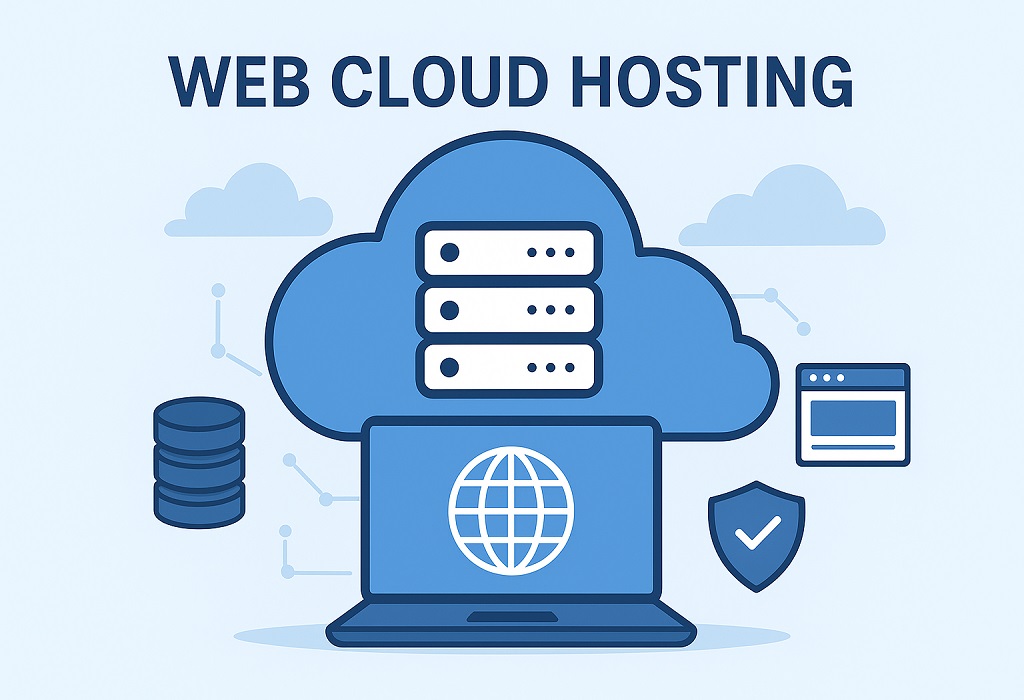
In today’s fast-paced digital world, downtime isn’t just a minor inconvenience—it’s a costly disaster waiting to happen. Whether you’re running an e-commerce store, a SaaS platform, or a company website that generates leads, every minute offline can translate to lost revenue, reduced customer trust, and long-term damage to your brand. Fortunately, cloud hosting offers a powerful solution to keep your business online, resilient, and ready for anything. Here’s how cloud hosting can safeguard your business from downtime disasters.
1. Built-In Redundancy and Failover Protection
Traditional hosting relies on a single physical server. If that server goes down due to a hardware failure, maintenance issue, or power outage, your website goes down with it. Cloud hosting works differently. It distributes your data and applications across multiple interconnected servers in a virtualized environment. If one server fails, another automatically picks up the load. This redundancy ensures your website stays accessible—even during unexpected failures.
2. Scalability That Handles Traffic Surges
Traffic spikes can be unpredictable. Maybe your business was featured in a popular publication, or a seasonal sale caused a surge in visitors. With shared or dedicated hosting, sudden traffic increases can easily crash your site. Cloud hosting, however, allows you to scale resources up or down instantly. RAM, storage, and processing power are dynamically allocated based on real-time needs. This flexibility ensures your website performs consistently, even during peak traffic, helping you avoid downtime and maintain a smooth user experience.
3. Geographic Distribution for Disaster Recovery
Physical servers can be impacted by natural disasters, fires, or regional outages. But cloud hosting typically uses data centers located across multiple geographic regions. This means your data isn’t stored in just one vulnerable location. In case of a regional disruption, your applications can be served from another available region. This geographic redundancy offers built-in disaster recovery and business continuity, ensuring your operations stay online no matter what happens locally.
4. Automatic Backups and Rapid Restoration
Most reputable cloud hosting providers offer automated backups, enabling businesses to recover quickly from data loss, cyberattacks, or accidental deletions. If downtime occurs due to corrupted files or security breaches, cloud hosting allows you to restore your website to a previous version with just a few clicks. This dramatically reduces recovery time and helps prevent extended shutdowns.
5. Enhanced Security Against Attacks
Cyberattacks—especially DDoS attacks—are among the leading causes of downtime. Cloud hosting providers use advanced security tools such as firewalls, intrusion detection systems, traffic filtering, and real-time monitoring to shield your website from malicious activity. Because resources are distributed, cloud systems can absorb and mitigate attacks more effectively than single-server setups.
6. Cost-Effective Reliability
Many businesses assume that cloud hosting is expensive, but in reality, it’s often more cost-effective than traditional hosting—especially when you consider the financial impact of downtime. Cloud services typically operate under a pay-as-you-go model, so you only pay for the resources you actually use. This makes enterprise-grade reliability accessible even to small businesses.
Final Thoughts
Downtime disasters can strike at any time—but they don’t have to cripple your business. Cloud hosting provides a resilient, scalable, and secure foundation that keeps your digital presence running smoothly, even under pressure. If you want to safeguard your business, enhance customer trust, and ensure uninterrupted operations, migrating to cloud hosting is one of the smartest decisions you can make.