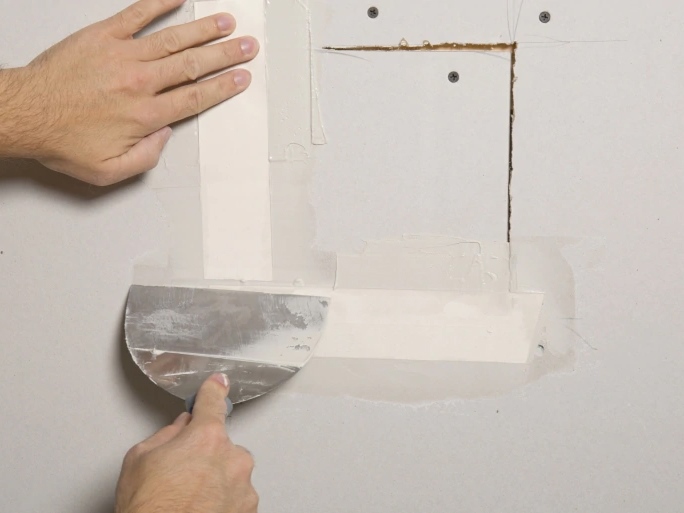
Walls often get marks, dents, or cuts, and many people try to fix them on their own. It may seem simple, but even small errors can leave rough spots or uneven areas that stand out. You may also want to learn how to repair drywall anchor holes so the wall stays firm without signs of damage. With clear steps and the right plan, drywall repair becomes easier, helping you build the skills needed for future home tasks. Learning these steps now can save you time and frustration while giving your walls a clean, professional look.
Why People Make Drywall Repair Mistakes
Many homeowners attempt to repair their walls quickly, assuming the task is simple. Rushing or skipping key steps often leads to uneven patches, soft areas, or cracks. Using the wrong tools or applying too much material can also cause damage that is difficult to fix. Careful planning and attention to detail help prevent these common issues and make repairs more effective.
Lack of Prep Work
Proper prep is essential for a successful wall repair. Dust, dirt, and loose debris prevent the patch from sticking correctly. Cleaning the area, drying it fully, and removing loose bits ensures a strong and lasting repair. Without prep, even the best materials can fail.
Using the Wrong Mix or Tools
Many people use a heavy mix or tools that are not suited for drywall repair. Thick layers and uneven application can create bumps and weak spots. Using a smooth taping knife, lightweight mix, and gentle strokes ensures the patch blends with the wall and dries evenly.
How to Avoid the Most Common Mistakes
Rushing Through the Job
Each coat of drywall compound needs time to dry. If you rush, the wall may have dips, bumps, or soft areas. Letting each layer dry fully before sanding ensures a smooth surface and better adhesion.
Not Sanding the Area Well
Sanding is key to blending patches with the rest of the wall. Skipping this step or sanding too quickly leaves visible imperfections. Use fine-grit sandpaper and work slowly to create a seamless finish.
Skipping Primer
Primer helps paint adhere and ensures the patched area matches the surrounding wall. Without primer, patches may appear shiny or discolored. Applying a primer coat before painting improves durability and appearance.
Using the Wrong Paint
Paint mismatch is a common mistake. Even small differences in shade or gloss can make the repair noticeable. Always test a small area first and check it under good lighting before painting the entire patch.
Tips for Clean and Smooth Wall Repair
Use the Right Tools
Old, bent, or worn-out tools can damage the wall. Clean knives, smooth trays, and fine sanding tools make the repair process easier and ensure a professional-looking finish.
Apply Thin Layers
Thick layers of compound often crack as they dry. Applying thin layers and allowing each one to dry completely before adding the next creates a stronger, smoother surface.
Fix Marks and Cuts Early
Small dents or holes can worsen over time if left unaddressed. Repairing these areas promptly prevents larger damage and maintains wall strength.
Read More: What to expect from professionals
Key Areas That Cause Trouble in Drywall Repair
Holes from Wall Mounts and Anchors
Wall anchor holes often expand if the anchor is loose. Many homeowners overfill these holes, creating weak patches. Learning how to repair drywall anchor holes properly prevents further damage and keeps the wall smooth. Using a small patch and light mix ensures a flat, even surface.
Fix Loose Anchors Before Patching
If the anchor remains loose, the patch will not hold. Repair or remove loose anchors before filling the hole to ensure a long-lasting repair.
Real Examples That Show What Works
One homeowner tried to fix a large wall cut using a thick layer in one step. The patch cracked within two days. Using thin layers and allowing proper drying time resulted in a smooth, lasting finish. Another homeowner filled a hole from a wall mount without sanding. The paint looked uneven and the patch was obvious. Sanding carefully and applying primer corrected the issue and produced a clean wall.
Practical Tips for Everyday Wall Maintenance
Many people search for drywall patching tips to repair small dents or holes. Others look for simple methods for small wall hole repair, DIY home repair solutions, or ways to fix loose wall anchors. Incorporating these techniques as part of regular interior wall maintenance keeps walls looking neat and prevents damage from spreading.
Learning How to Repair Drywall Anchor Holes
Knowing how to repair drywall anchor holes improves your confidence and skill in handling common wall issues. Using clean tools, thin layers, and slow steps ensures repairs are smooth and long-lasting. Repeated practice with these methods strengthens your ability to maintain walls effectively.
Take Action to Improve Your Walls
You can fix wall marks and holes confidently by following proper steps. Cleaning the area, using the right tools, applying thin layers, and priming before painting all contribute to a neat, lasting finish. Start your next wall repair project now to gain skill and transform your space. Following these steps will leave your walls smooth, refreshed, and damage-free.
Maintaining Strong, Clean Walls
Most drywall repair mistakes can be avoided with slow, careful work. Preparing the wall, sanding gently, applying thin coats, and matching paint ensures strong, smooth repairs. Quick attention to holes prevents further damage, and proper techniques improve your ability to maintain a clean, professional appearance throughout your home.
Frequently Asked Questions
Why do wall patches fail?
Patches fail when the surface is dirty or when thick layers are applied. Clean prep and thin layers help the patch hold longer.
How can I stop cracks after patching?
Cracks occur when coats are too thick or dry unevenly. Thin coats and proper drying time prevent cracking.
Do I need primer for every patch?
Yes. Primer helps the paint stick and ensures the patched area blends with the surrounding wall.
How do I fix large holes?
Use a patch kit. Clean the area, apply thin layers, and sand slowly to create a strong, smooth finish.
Why does my paint not match the wall?
Paint mismatch occurs when the shade or gloss is incorrect. Testing a small section first helps ensure the best match.