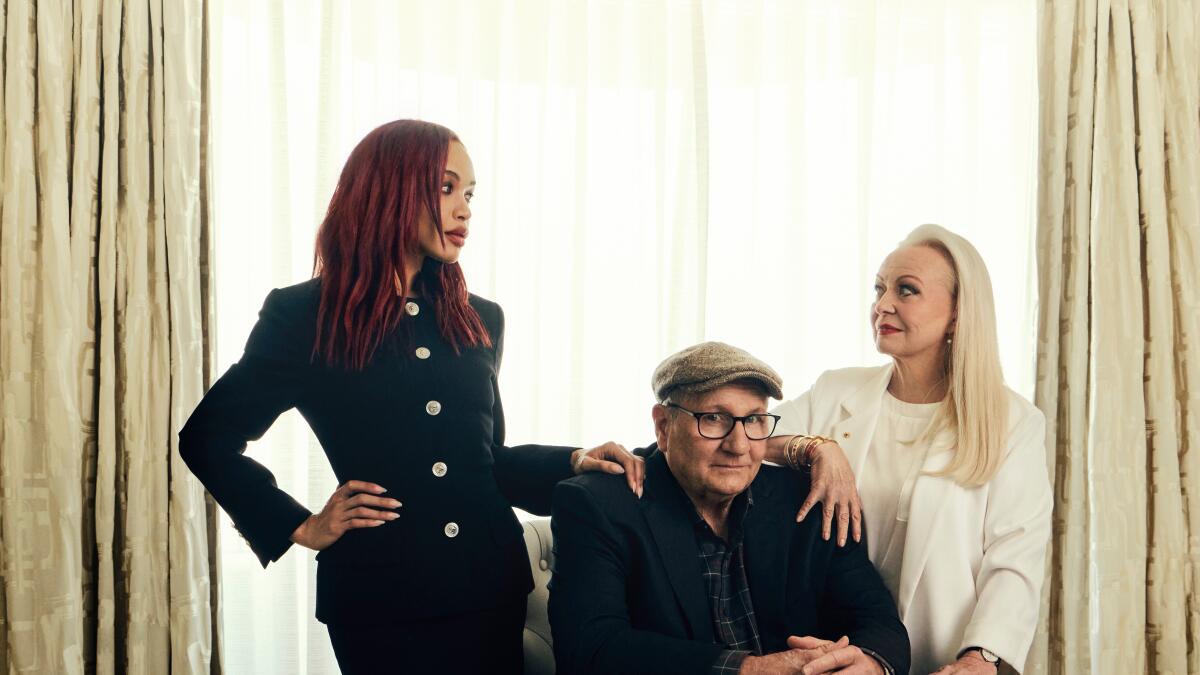
FX’s limited series “Clipped” brought a controversial chapter of NBA history back into the spotlight, leaving many viewers wondering about the real events behind the drama. What is clipped about true story explained uncovers the shocking scandal that rocked professional basketball and exposed deep-seated issues of racism, power, and betrayal in professional sports.
The True Story Behind Clipped
“Clipped” tells the real-life story of Donald Sterling, the former owner of the Los Angeles Clippers, whose racist remarks recorded in 2014 led to one of the most significant controversies in NBA history. The series dramatizes the events that unfolded when private conversations became public, ultimately resulting in Sterling’s forced sale of the team.
The scandal didn’t just end one man’s ownership—it exposed systemic problems within professional sports and sparked national conversations about racism, power dynamics, and accountability in America.
Who Was Donald Sterling
Donald Sterling purchased the San Diego Clippers in 1981 and moved them to Los Angeles in 1984. For over three decades, he owned the team while building a reputation as one of the most difficult and controversial owners in professional sports.
Despite his problematic history, including discrimination lawsuits related to his real estate holdings, Sterling remained in power until the 2014 scandal finally forced the NBA to take action. What is clipped about true story explained reveals how years of troubling behavior culminated in one explosive moment.
The Recording That Changed Everything
The heart of the story centers on audio recordings made by V. Stiviano, Sterling’s girlfriend at the time, during private conversations with the billionaire owner.
What Was Said
In the recordings, Sterling made explicitly racist comments about Black people, specifically telling Stiviano not to bring Black people to Clippers games or post photos with them on social media. These comments were particularly shocking given that the Clippers roster consisted primarily of Black players who generated Sterling’s wealth.
The recordings were leaked to TMZ in April 2014, and the response was immediate and explosive. Players, coaches, fans, and fellow NBA owners condemned Sterling’s remarks, demanding accountability.
The Context of the Recordings
V. Stiviano recorded these conversations without Sterling’s knowledge. Their relationship itself was complicated—Sterling was married, and Stiviano was significantly younger. His wife, Shelly Sterling, had filed a lawsuit against Stiviano, alleging she embezzled millions from the family.
For deeper analysis of entertainment industry controversies, sites like Just Ask Genie provide context for how these real-life events translate to television drama.
The Fallout and NBA Response
Once the recordings became public, the NBA faced immense pressure to act decisively against Sterling.
Commissioner Adam Silver’s Decision
NBA Commissioner Adam Silver, relatively new to the position, made a historic decision. He banned Sterling for life from the NBA, fined him $2.5 million (the maximum allowed), and urged the Board of Governors to force Sterling to sell the team.
What is clipped about true story explained includes this unprecedented move by the league, showing how public pressure and player activism forced institutional change.
Player Reactions
Current and former NBA players expressed outrage and disgust. Some players considered boycotting games, while others made public statements condemning Sterling’s views. The Clippers players, in particular, faced the difficult position of playing for an owner who had revealed such contemptuous views about people of their race.
During a playoff game, Clippers players wore their warmup jerseys inside-out to hide the team logo, a powerful silent protest that demonstrated their unity and disgust.
The Key Players in the Drama
Understanding what is clipped about true story explained requires knowing the central figures involved.
Donald Sterling
The billionaire real estate mogul and team owner whose racist comments sparked the crisis. Sterling had a history of discriminatory behavior, including multiple lawsuits accusing him of housing discrimination.
V. Stiviano
Sterling’s girlfriend who made the recordings. Her motivations remain debated—was she exposing racism, seeking revenge, or protecting herself in legal battles? The series explores these complex questions.
Shelly Sterling
Donald Sterling’s wife, who fought to maintain ownership of the team even as her husband faced banishment. Her role in the eventual sale is a fascinating aspect of the story.
Doc Rivers
The Clippers’ head coach at the time, who had to navigate leading a team through this crisis while maintaining dignity and focus during playoff games. His leadership became crucial during this tumultuous period.
Adam Silver
The NBA Commissioner who made the decisive call to ban Sterling. His handling of the crisis defined his early tenure as commissioner.
Media analysis platforms like Media Spank have examined how the series portrays these real people and the ethical considerations of dramatizing recent events.
The Legal Battle for the Team
After the NBA’s decision, the legal battle over the Clippers’ ownership became incredibly complex.
The Forced Sale
Sterling initially resisted selling the team, claiming he’d been illegally recorded and that his privacy had been violated. However, the NBA’s constitution gave the league authority to force an owner to sell under certain circumstances.
Shelly Sterling eventually negotiated the sale of the team to former Microsoft CEO Steve Ballmer for a record $2 billion, far exceeding the team’s estimated value. Donald Sterling challenged this sale, but ultimately lost in court.
Constitutional Questions
The case raised interesting legal questions about private speech, property rights, and the power of private organizations like the NBA to police their members. While Sterling’s comments were reprehensible, some legal experts debated whether the forced sale set concerning precedents about privacy and free speech.
Why the Series Matters Now
What is clipped about true story explained isn’t just about recounting historical events—it’s about understanding why this story remains relevant today.
Ongoing Racism in Sports
The Sterling scandal exposed problems that still exist. While his explicit racism was shocking, it highlighted systemic issues of racism in sports ownership, management, and broader society that haven’t been fully addressed.
Power and Accountability
The series examines how powerful people often escape consequences for problematic behavior until public pressure becomes overwhelming. Sterling had a documented history of discrimination, yet faced no significant consequences until recordings went public.
The Role of Media
The story demonstrates how media exposure can force accountability when traditional systems fail. Without TMZ publishing those recordings, Sterling might have continued as owner indefinitely.
The Real People’s Perspectives
Since the scandal, various people involved have shared their perspectives on what happened.
Doc Rivers’ Reflection
Coach Doc Rivers has spoken about how difficult it was to keep the team focused during the crisis. He’s discussed the emotional toll on players who felt betrayed by an owner who profited from their talents while harboring such views about their race.
Player Statements
Chris Paul, Blake Griffin, and other Clippers players have discussed their experiences, describing feelings of anger, betrayal, and determination to not let Sterling’s racism define them or their season.
V. Stiviano’s Side
Stiviano has given limited interviews, offering various explanations for recording Sterling. Her portrayal in the series has generated discussion about her role and motivations.
The Series’ Approach to the Story
“Clipped” faces the challenge of dramatizing recent events involving living people, raising questions about accuracy, ethics, and artistic license.
Dramatic License
Like all historical dramas, “Clipped” takes some liberties with the facts for narrative purposes. Conversations are imagined, timelines are compressed, and certain events are dramatized beyond what’s publicly known.
Portraying Real People
The series casts actors to portray recognizable public figures, which involves interpretation and characterization that the real people might not agree with or appreciate.
Balancing Entertainment and Truth
What is clipped about true story explained must acknowledge that the series aims to entertain while educating. Some critics argue this approach trivializes serious issues, while others believe it makes important history accessible to wider audiences.
The Cultural Impact of the Scandal
Beyond sports, the Sterling scandal influenced broader cultural conversations.
Corporate Accountability
The swift action against Sterling set expectations for how organizations should respond to racism and discrimination by powerful figures. It demonstrated that public pressure could force institutions to act.
Conversation About Privacy
The case sparked debates about privacy in the digital age. If someone says racist things privately, does exposing them violate their rights, or does public interest justify the exposure?
The #MeToo Connection
Some observers drew connections between the Sterling case and later #MeToo revelations, noting similarities in how powerful men’s private misconduct became public and how institutions responded.
What Viewers Should Know
For those watching “Clipped” and wanting to understand the real story, several key points deserve emphasis.
It Really Happened
Unlike some “based on true events” projects that take extreme liberties, the core events of “Clipped” are well-documented. The recordings exist, the NBA ban happened, and Sterling lost the team.
Complexity Gets Lost
Real life is always more complex than television can show. The various people involved had mixed motivations, and reducing them to simple heroes or villains oversimplifies reality.
The Issue Persists
While the series focuses on 2014, racism in sports and society didn’t end with Sterling’s banishment. The story serves as a reminder of ongoing work needed to address systemic inequity.
Lessons From the Sterling Scandal
What is clipped about true story explained offers several important lessons that remain relevant today.
Private Beliefs Have Public Consequences
Sterling learned that private prejudices can’t be separated from public roles, especially for those in positions of power and influence.
Silence Enables Injustice
Sterling’s behavior was known to many in NBA circles for years, but action came only after public exposure. This highlights how silence and inaction perpetuate injustice.
Institutions Must Be Pushed
The NBA acted decisively, but only under enormous pressure. This demonstrates that institutions often need external pressure to do what’s right.
Money Doesn’t Buy Everything
Despite his wealth, Sterling couldn’t buy his way out of the consequences. The scandal showed that even billionaires can be held accountable when their actions become indefensible.
The Aftermath and Legacy
Years after the scandal, the impact continues to resonate throughout the NBA and beyond.
The Clippers Under New Ownership
Steve Ballmer has transformed the Clippers into one of the NBA’s most valuable and well-run franchises. The team has distanced itself from the Sterling era while building a new identity focused on excellence and community engagement.
Sterling’s Later Life
Donald Sterling largely disappeared from public life after losing the team. He attempted appeals and fought aspects of the sale but ultimately lost all legal challenges.
Changes in the NBA
The NBA strengthened its policies and demonstrated a willingness to act against ownership when necessary. The Sterling case became a reference point for how leagues should handle similar situations.
Conclusion
What is clipped about true story explained reveals a shocking chapter in sports history that exposed racism at the highest levels of professional basketball. The 2014 Donald Sterling scandal forced difficult conversations about race, power, and accountability while demonstrating how private prejudices can’t be separated from public responsibilities.
The FX series “Clipped” brings these events back into public consciousness, reminding viewers that fighting racism requires constant vigilance and willingness to hold powerful people accountable. While Sterling lost his team and reputation, the broader issues the scandal highlighted—systemic racism, abuse of power, and institutional complicity—remain relevant challenges that society continues to confront. Understanding this true story helps us recognize that real change requires both individual accountability and systemic reform.
Timeline of Key Events
| Date | Event | Significance |
|---|---|---|
| April 2014 | Recordings leaked to TMZ | Sterling’s racist comments become public |
| April 29, 2014 | Silver bans Sterling for life | NBA takes unprecedented action |
| May 2014 | Board votes to force sale | Sterling must give up team ownership |
| August 2014 | Ballmer purchases team for $2B | New ownership era begins |
| 2024 | “Clipped” premieres on FX | Story dramatized for television |