Do your optical instruments or imaging systems show signs of visual distortion or reduced brightness? The issue often comes from using low-quality or incompatible optical components. One of the most overlooked yet critical parts is the window glass — a transparent protective layer that shields sensors and optics from environmental damage while maintaining optical precision.
In this article, we’ll explain how optical window glass functions, the materials used, its importance in the optical industry, and how it ensures long-term accuracy and visual stability in sensitive optical setups.
What Is Optical Window Glass?
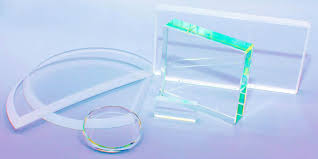
Optical window glass is a flat, transparent optical component designed to protect delicate sensors, lenses, and detectors without altering the transmitted light path. Unlike regular household glass, it’s engineered with high optical transmission, low scattering, and excellent surface flatness to preserve image accuracy.
In the optical industry, window glass is commonly used in cameras, AR/VR systems, laser devices, spectrometers, and sensors. It serves both as a barrier against contamination and a precision optical element that maintains the integrity of light passing through.
Why Window Glass Matters in the Optical Industry
High-quality window glass is essential because even minor imperfections can degrade optical performance. Here’s why it plays a vital role:
- Light Transmission Accuracy:
Optical window glass provides uniform transmission across wavelengths, ensuring true color accuracy and brightness in imaging systems. - Surface Flatness:
A precisely polished surface minimizes distortion, keeping laser beams or light rays properly aligned. - Protective Function:
It acts as a barrier against dust, moisture, and scratches that could harm internal optical components. - Temperature & Pressure Resistance:
Many optical systems operate in extreme environments, and specialized window glass materials maintain optical stability under heat, vibration, or pressure.
Types of Optical Window Glass Used in the Industry
| Type | Key Features | Common Applications |
|---|---|---|
| BK7 Glass | High transmission and low inclusions | General optics, AR systems, imaging lenses |
| Fused Silica | Excellent UV to IR transmission | Laser optics, spectroscopy |
| Sapphire Glass | Exceptional hardness and durability | Harsh environment sensors, aerospace optics |
| Quartz Glass | Thermal and chemical resistance | High-temperature optical systems |
Each type is selected based on the wavelength range, durability, and application needs. For instance, sapphire window glass is ideal for rugged environments, while fused silica provides superior UV transparency for precision measurement instruments.
Common Problems Caused by Poor-Quality Optical Window Glass
Many optical engineers and technicians face recurring performance issues due to substandard window glass:
- Light Distortion: Uneven surfaces cause image warping and reduced accuracy.
- Reflective Loss: Poor coatings can lead to unwanted reflections and glare.
- Thermal Expansion: Low-quality materials expand under heat, misaligning optics.
- Contamination Risk: Non-protective glass allows dust or moisture to reach internal sensors.
Choosing precision-engineered window glass eliminates these problems and ensures consistent, reliable performance in optical devices.
How Anti-Reflective Coating Enhances Window Glass Performance
A major upgrade to standard optical glass is the addition of anti-reflective (AR) coatings. These coatings minimize surface reflections and improve light transmission by up to 99%.
This feature is crucial in applications like laser systems, AR/VR headsets, and optical sensors, where every photon counts. Multi-layer coatings can also reduce ghosting, glare, and interference — common issues that affect image clarity.
Applications of Optical Window Glass
- AR/VR Devices:
Enhances visual transparency and reduces reflection in headsets. - Laser Optics:
Protects delicate laser cavities while maintaining beam accuracy. - Imaging and Sensing Systems:
Provides environmental protection without compromising visual accuracy. - Medical and Industrial Equipment:
Used in endoscopy, inspection tools, and analytical devices for consistent optical transmission.
Material Selection: What to Consider Before Choosing Window Glass
When selecting optical window glass, consider:
- Wavelength Range: Match material transparency to your system’s operating wavelength (UV, visible, or IR).
- Mechanical Strength: Choose glass resistant to mechanical stress and thermal changes.
- Coating Compatibility: Ensure coatings align with your required reflectivity and transmission levels.
- Environmental Durability: For outdoor or industrial use, opt for glass that resists corrosion and temperature fluctuations.
Future of Window Glass in the Optical Industry
With growing demand for miniaturized optical systems and high-performance imaging devices, window glass technology continues to evolve. Modern innovations include nano-coated surfaces, smart adaptive transparency, and self-cleaning coatings — enabling better performance and longer operational life.
As industries move toward more compact and AI-integrated optics, window glass will play an even more critical role in protecting sensors and ensuring signal fidelity.
Conclusion
If your optical system struggles with image clarity or environmental interference, it’s time to upgrade to a precision-engineered window glass. This small yet crucial component enhances optical performance, durability, and light accuracy across applications.
Whether you’re building AR/VR optics, laser systems, or industrial sensors, choosing a window glass designed for optical precision ensures lasting clarity and protection for your equipment.