Introduction
The usb type a port has been one of the most common and recognizable connectors in the tech world for decades. Even as newer versions like USB Type-C become more popular, the traditional rectangular port continues to play a key role in connecting and powering devices. From computers and gaming consoles to TVs and chargers, the usb type a port remains an essential part of how people transfer data and keep their devices charged. Understanding its function, history, and relevance helps explain why it’s still around in a world that’s rapidly moving toward newer technologies.
What Is a USB Type A Port?
The usb type a port is the original design for the Universal Serial Bus (USB) interface. It features a flat, rectangular shape that can only be inserted in one direction. First introduced in the mid-1990s, it became the industry standard for connecting peripherals like keyboards, mice, external drives, and printers. Its simplicity and wide compatibility helped make USB the go-to connection method for almost every type of electronic device.
Unlike other connectors that may specialize in certain functions, the usb type a port handles both data transfer and power delivery. This versatility is what made it so successful. A single port could handle everything from syncing files to charging small devices. Over the years, the port has evolved through different generations of USB technology, from USB 1.0 to USB 3.2, each improving data transfer speeds and power efficiency while keeping the same familiar shape.
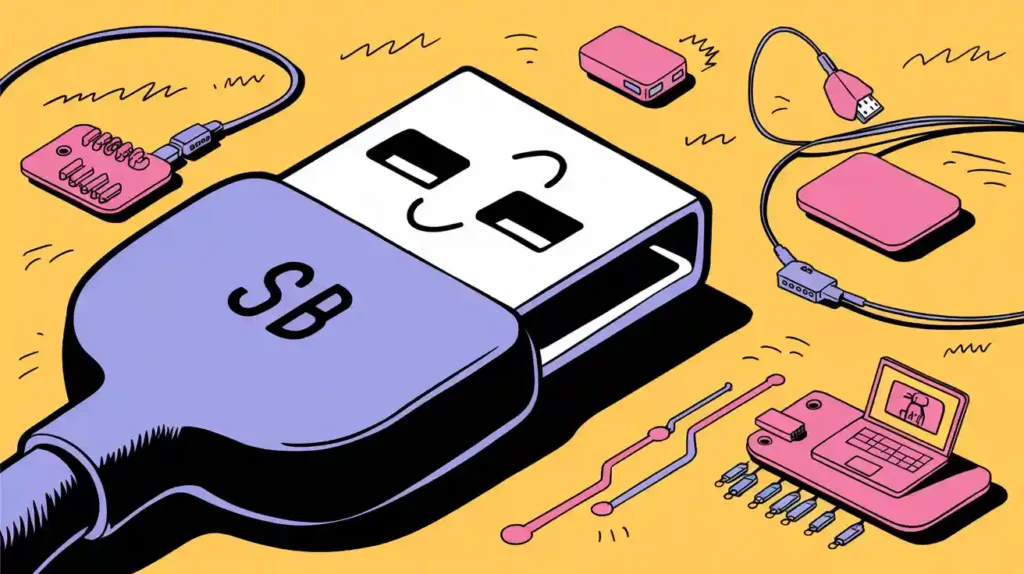
How the USB Type A Port Works
At its core, the usb type a port acts as a host interface. That means it’s typically found on computers, laptops, and gaming consoles rather than on accessories. When a device like a flash drive or mouse is plugged in, the host device supplies power and facilitates communication between the devices. For instance, when you connect an external hard drive using a usb type a port, the computer provides power to the drive and allows you to read or write data.
The electrical design of the port includes several pins responsible for transferring both power and data. Depending on the version of USB, the number of pins and their speed capabilities can vary. For example, a USB 2.0 port can transfer data at up to 480 Mbps, while a USB 3.0 usb type a port can handle up to 5 Gbps, identified by its blue-colored insert.
Why the USB Type A Port Is Still Relevant
Even though USB Type-C has become the modern favorite for new devices, the usb type a port is far from obsolete. Many consumers still use older devices that rely on it, and countless accessories are designed around the traditional connector. Manufacturers continue to include at least one usb type a port in laptops and desktops because it ensures compatibility with older hardware and peripherals.
For professionals and businesses, the port’s reliability and durability are major advantages. It’s sturdy, easy to use, and has proven longevity. In environments where stability and compatibility matter more than speed, such as office setups or industrial systems, the usb type a port remains a practical choice.
Common Uses of the USB Type A Port
The usb type a port serves a wide range of uses across devices. It connects external storage drives, flash drives, and peripherals like keyboards and mice. It also supports charging for small electronics, such as smartphones, Bluetooth speakers, and wireless headphones. Additionally, it’s often used to connect hubs and adapters, allowing users to expand the number of available ports on their computers.
In home entertainment systems, the usb type a port allows users to plug in USB drives to view photos, play music, or update firmware on smart TVs. In vehicles, the port often serves as a way to charge devices or play media through the car’s infotainment system. This level of versatility explains why it continues to be included in new products, even in the age of USB Type-C and wireless connectivity.
The Future of the USB Type A Port
While the usb type a port is gradually being phased out in some high-end devices, it will likely remain in use for years to come. Its long history, broad compatibility, and massive existing user base make it difficult to replace entirely. Many adapters and converters are available to bridge the gap between USB Type-A and newer connectors, ensuring that users can still connect their older devices without issue.
In the long run, as the industry transitions toward faster, reversible, and more compact connectors, the usb type a port will continue to serve as a bridge between generations of technology. It stands as a reminder of how a simple design can shape decades of innovation and connectivity.
Conclusion
The usb type a port may not be the newest or fastest option on the market, but its impact on the world of technology is undeniable. It has powered, connected, and supported billions of devices for over 25 years. Even as the industry moves toward new standards, this familiar port continues to hold its ground through sheer reliability and universal compatibility. Whether you’re using it to charge a phone, transfer files, or connect a peripheral, the usb type a port remains a quiet but essential part of everyday digital life.
Follow Us On Tiktok For More Information:
https://www.tiktok.com/@origin_data