Emergency rooms (ERs) are some of the busiest and most unpredictable areas in healthcare. Physicians and nurses must manage a constant stream of patients with conditions ranging from minor injuries to life-threatening emergencies. In this fast-paced environment, accurate and timely documentation is essential—but it can also be time-consuming and distracting for providers. That’s where emergency room scribes step in.
Medical scribes are trained professionals who assist physicians by documenting patient encounters in real-time. While their primary role is to handle medical records, their presence has a ripple effect that extends far beyond paperwork. In fact, ER scribes play a key role in improving patient care. Here’s how.
1. Allowing Physicians to Focus More on Patients
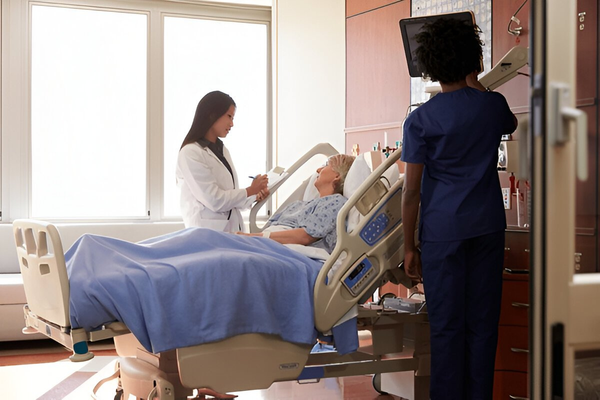
Perhaps the most direct way scribes improve patient care is by freeing up physicians’ time. Without a scribe, doctors may spend up to a third of their shift typing into electronic health records (EHRs). This can pull their attention away from the patient sitting in front of them.
With a scribe documenting the visit, physicians can:
- Maintain better eye contact with patients.
- Listen more attentively to patient concerns.
- Perform more thorough physical examinations without being distracted by the computer.
When patients feel seen and heard, they are more likely to share important details about their condition, which can lead to more accurate diagnoses and effective treatment plans.
2. Improving Accuracy and Efficiency of Documentation
Emergency rooms operate under pressure. In such an environment, rushed or incomplete documentation is a common challenge. This can create problems later, especially if another provider needs to review the patient’s chart for ongoing care.
Scribes are trained to capture essential details quickly and accurately, including:
- Patient histories
- Lab results and imaging findings
- Physicians’ observations and assessments
- Orders and treatment plans
By ensuring thorough and precise records, scribes reduce the risk of errors and miscommunication between providers. This improved documentation flow helps create a continuity of care that benefits both patients and the healthcare team.
3. Enhancing Workflow in a Busy Emergency Room
ERs often juggle dozens of patients at once. Any delays in documentation can slow down the entire system, creating longer wait times and potential bottlenecks in care.
Scribes help streamline workflow by:
- Documenting visits in real-time, so charts are up-to-date immediately.
- Allowing providers to see more patients without sacrificing quality of care.
- Facilitating faster handoffs between shifts since records are accurate and complete.
The result is a more efficient emergency room where patients can be evaluated, treated, and discharged or admitted in a timely manner.
4. Reducing Physician Burnout
Burnout is a significant issue among emergency medicine physicians, often caused by overwhelming workloads and administrative burdens. When providers are exhausted, patient care can suffer.
Scribes alleviate part of this burden by taking over the demanding task of documentation. With more time to focus on practicing medicine and connecting with patients, doctors experience:
- Lower stress levels
- Higher job satisfaction
- Improved mental health
In turn, a healthier and more engaged physician workforce leads to better quality of care for patients.
5. Supporting Better Patient-Physician Communication
Effective communication is central to good healthcare. When doctors are preoccupied with typing notes, they may miss opportunities to build rapport with patients or explain treatment options thoroughly.
Because scribes manage the documentation, physicians can spend more time:
- Explaining diagnoses in clear language
- Answering patient and family questions
- Discussing follow-up care instructions
This fosters trust and understanding, which can improve patient adherence to treatment plans and lead to better outcomes.
6. Helping with Data Collection for Research and Quality Improvement
Accurate documentation provided by scribes doesn’t just benefit individual patients—it also contributes to broader hospital goals. Many emergency departments use patient records to track metrics such as wait times, treatment outcomes, and readmission rates.
By ensuring that data is well-documented, scribes indirectly support:
- Quality improvement initiatives
- Research projects that advance emergency medicine
- Policy-making that enhances patient safety
Better data ultimately translates into system-wide improvements in patient care.
7. Improving Patient Satisfaction
At the end of the day, what matters most is how patients feel about their care. Studies have shown that patients treated in environments with medical scribes often report higher levels of satisfaction. They appreciate the fact that their doctor is more present, attentive, and focused on them rather than a computer screen.
High patient satisfaction doesn’t just reflect good bedside manner—it also correlates with better adherence to care plans and stronger patient outcomes.
Conclusion
Emergency room scribes may not diagnose illnesses, prescribe medication, or perform procedures, but their impact on patient care is undeniable. By handling the critical task of documentation, they enable physicians to spend more time with patients, reduce errors, improve workflow efficiency, and even protect doctors from burnout.
In a setting as hectic and high-stakes as the emergency room, these benefits make a significant difference. Scribes may work behind the scenes, but they are an essential part of the patient care team—helping ensure that every patient receives timely, accurate, and compassionate care.